Super Bowl Prop Bets UK: Big Game Proposition Wagering
 Available in US
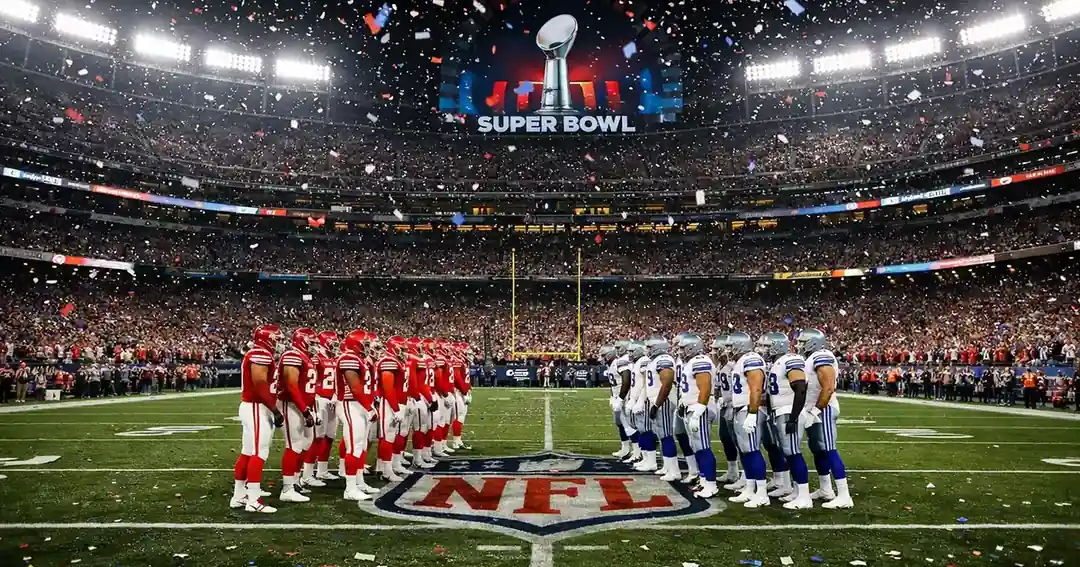
The Super Bowl stands alone in American sports betting. No other event generates comparable prop betting volume, variety, or public interest. What begins as a championship football game transforms into a national betting holiday where everyone from seasoned handicappers to office pool participants wagers on everything from quarterback performance to the color of the winning coach’s Gatorade bath.
Sportsbooks release hundreds of Super Bowl prop bets in the weeks leading up to the game, covering every conceivable aspect of the broadcast. Traditional player and game props share menu space with novelty wagers that have no connection to football whatsoever. The sheer breadth of options can overwhelm bettors accustomed to regular season markets where prop menus rarely exceed a few dozen offerings per game.
The expanded prop universe creates both opportunity and danger. More markets mean more chances to find value, but also more chances to make poorly considered bets on markets you do not understand. The recreational atmosphere surrounding Super Bowl betting leads many people to wager casually on props they would never touch during the regular season. Sportsbooks profit handsomely from this influx of uninformed money.
This guide navigates the Super Bowl prop landscape systematically. Understanding the major prop categories, how they differ from regular season equivalents, and which markets offer genuine betting value versus entertainment-only appeal helps you approach the Big Game with appropriate strategy. Whether you bet props seriously or simply want to make your Super Bowl party more interesting, informed wagering beats blind guessing.
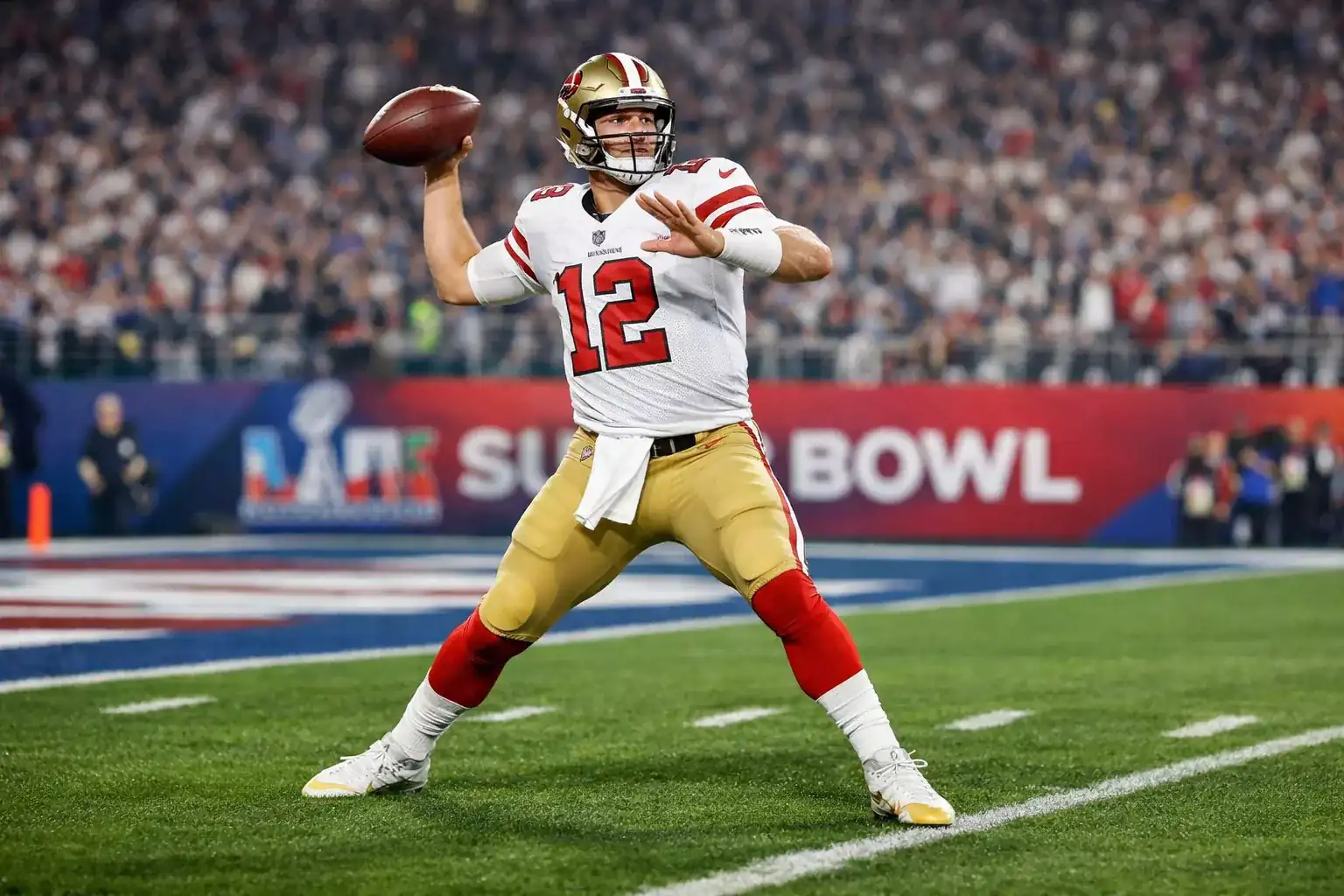
Super Bowl Player Props: MVP and Game Novelty Odds
Player props dominate Super Bowl betting volume, and the markets function similarly to regular season equivalents with a few important distinctions. The concentration of attention on a single game creates deeper markets, tighter lines, and more sophisticated pricing than typical weekly props.
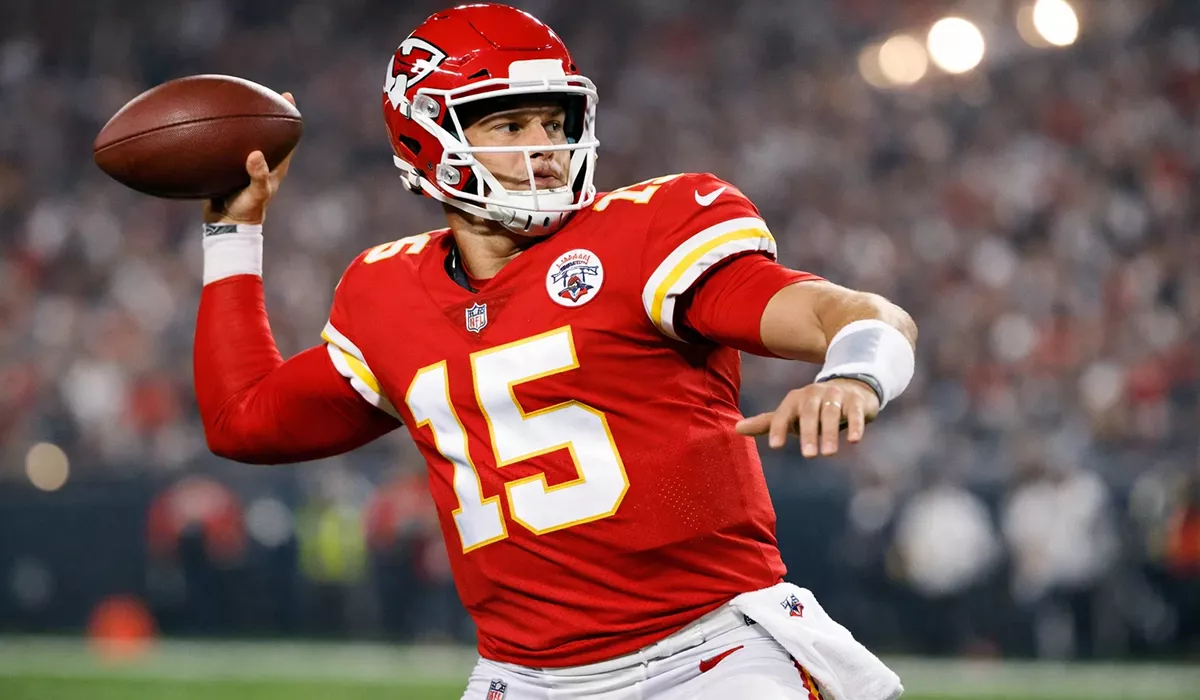
Quarterback props anchor the player prop menu. Both starting quarterbacks receive extensive coverage across passing yards, touchdowns, interceptions, completions, attempts, and rushing production. The lines reflect two weeks of intensive analysis by sharps and sportsbooks alike, making these markets among the most efficient in football betting. Finding value requires either superior information or contrarian perspectives that the consensus has underweighted.
Passing yards totals for Super Bowl quarterbacks typically run slightly higher than regular season averages for the same players. The logic is straightforward: Super Bowls tend to feature quality offenses that reached the championship game partly through passing prowess. Game scripts in competitive title games often favor passing volume as teams protect leads or attempt comebacks in high-leverage situations.
Touchdown props for quarterbacks carry the same variance issues present in regular season markets, amplified by the small sample size of a single game. A quarterback might easily throw zero touchdowns or four depending on red zone efficiency and scoring distribution. The over/under lines typically sit around 1.5 or 2.5 depending on the specific matchup, with juice adjustments reflecting the implied probability of various outcomes.
Interception props gain additional relevance in Super Bowls because turnover battles often decide championships. Defensive coordinators have two weeks to scheme against opposing quarterbacks, and the pressure of the moment can produce uncharacteristic mistakes. Betting the over on interception props carries contrarian appeal when facing elite quarterbacks whose regular season numbers suggest minimal turnover risk.
Skill position props for running backs, wide receivers, and tight ends follow similar patterns to regular season markets. Receiving yards for top pass catchers, rushing yards for featured backs, and receptions for high-volume targets all appear on prop menus with lines calibrated to the specific Super Bowl matchup.
The two-week preparation period between conference championships and Super Bowl affects how you should handicap these props. Defensive game plans become more sophisticated and targeted, potentially limiting star players who dominated during the regular season. Conversely, offensive coordinators design specific plays to attack defensive weaknesses, creating opportunities for role players to exceed their typical production.
Historical Super Bowl performance data provides useful context but requires careful interpretation. Small samples and unique circumstances make direct comparisons problematic. A receiver who exploded for 150 yards in a previous Super Bowl faced a different defense in different game conditions than he will encounter this year. Use historical data as one input among many rather than a primary predictive factor.
Defensive player props appear more prominently in Super Bowl markets than regular season games. Individual sack totals, tackles, and interception props for star defenders attract betting interest from fans who follow specific players. These markets carry enormous variance given the difficulty of predicting discrete defensive events, but they add entertainment value for bettors with strong opinions about individual matchups.
The pricing on defensive props reflects their high variance through wider spreads and higher juice. A pass rusher at +300 to record a sack implies roughly 25% probability, acknowledging that even dominant rushers fail to record sacks in many games. Treat these props as high-risk lottery tickets rather than core betting positions.
Super Bowl Game Props
Game props focus on collective outcomes and specific events rather than individual player statistics. These markets capture aspects of how the game unfolds that player props cannot address, creating opportunities for bettors with strong opinions about game flow and situational football.
Scoring props dominate the game prop category. The combined point total receives the same attention as regular season totals, but numerous derivative markets expand the scoring universe. First half total, second half total, and individual quarter totals allow bettors to express views on when scoring will occur, not just how much. These markets require opinions about game pace, coaching tendencies, and how defenses might adjust at halftime.
The margin of victory market asks you to predict not just the winner but the winning margin within specified ranges. Options typically include one to six points, seven to twelve points, thirteen to eighteen points, and so on through blowout territory. This market rewards those who correctly anticipate game competitiveness. Close games and blowouts produce different winning brackets, and the odds reflect the implied probability of each outcome.
First scoring play type props capture the opening sequence that sets the game’s tone. Options usually include touchdown pass, touchdown run, field goal, and safety, with exotic possibilities like defensive or special teams touchdowns available at long odds. The most common outcome is a field goal, which often prices as slight favorite, while touchdowns of various types fill out the menu at plus-money prices.
First and last touchdown props at the game level differ from individual player first scorer markets. These props ask which team will score the first or last touchdown, adding a team dimension to the scoring sequence. Home teams, particularly those receiving the opening kickoff, hold slight historical edges for first touchdown, though the advantage is modest and situationally dependent.
Overtime props present an interesting opportunity given the rarity of extra periods in Super Bowls. Will the game go to overtime typically prices around +900 to +1200, reflecting historical frequency around 3-4%. Bettors expecting a close, defensive game might find value in yes at these prices, though the low probability means you will lose this bet far more often than you win.
Total touchdowns scored provides another angle on scoring volume. This market counts all touchdowns regardless of method or team, creating exposure to overall offensive and defensive quality. A high-scoring shootout might produce eight or more total touchdowns, while a defensive battle might see only three or four. The line typically sits around five or six, with juice adjusted based on matchup expectations.
Longest touchdown of the game props test your ability to predict explosive play potential. Lines usually sit in the 40-50 yard range, with betting available on over or under. Teams with speed at receiver or home run threat running backs push this total higher, while teams that methodically march down the field without chunk plays suggest the under.
Super Bowl Team Props
Team props isolate each team’s performance rather than comparing them head-to-head or aggregating results. These markets let you express opinions about one team’s offense or defense independent of the other’s performance.
Team total points for each Super Bowl participant creates two separate betting markets on how many points each team will score individually. These totals derive from the game total and point spread but trade independently. If you believe one team’s offense is underrated while the other’s is overrated, you can bet both team totals rather than the full game total.
The relationship between team totals, game total, and point spread follows mathematical logic. A game with a 50-point total and a 3-point spread implies the favorite scores roughly 26.5 points while the underdog scores approximately 23.5. Team total lines will approximate these figures, though independent market action can push them slightly away from the mathematically implied values.
First team to score removes the question of who wins and focuses solely on which team gets on the board first. This prop correlates with coin toss results and kickoff decisions, as the team receiving the opening kick has the first offensive opportunity. However, defensive and special teams scores can flip expectations, and some teams historically start slow before finding offensive rhythm.
Team scoring by quarter and half allows granular betting on when each team accumulates points. First half team totals and second half team totals trade separately, as do individual quarter totals for each team. These markets reward understanding of coaching adjustments, halftime changes, and how teams perform with leads versus deficits.
Will either team score three consecutive times asks about scoring runs that swing momentum. Games featuring long stretches of one-sided dominance cash this prop, while evenly contested back-and-forth affairs do not. Your assessment of relative team quality and likely game flow informs this wager.
Team rushing and passing yard totals appear for both participants. These function like player props aggregated to the team level, with lines based on offensive tendencies and defensive matchups. A run-heavy team facing a weak run defense might see an elevated rushing yards total, while a pass-first offense against a strong secondary might see a deflated passing line.
Largest lead props ask you to predict the maximum margin either team will hold at any point during the game. Competitive games that remain close throughout never produce large leads, while games featuring runs by one team create bigger maximum margins even if the final score tightens. This market tests your sense of likely game competitiveness and whether either team is capable of building substantial separation.
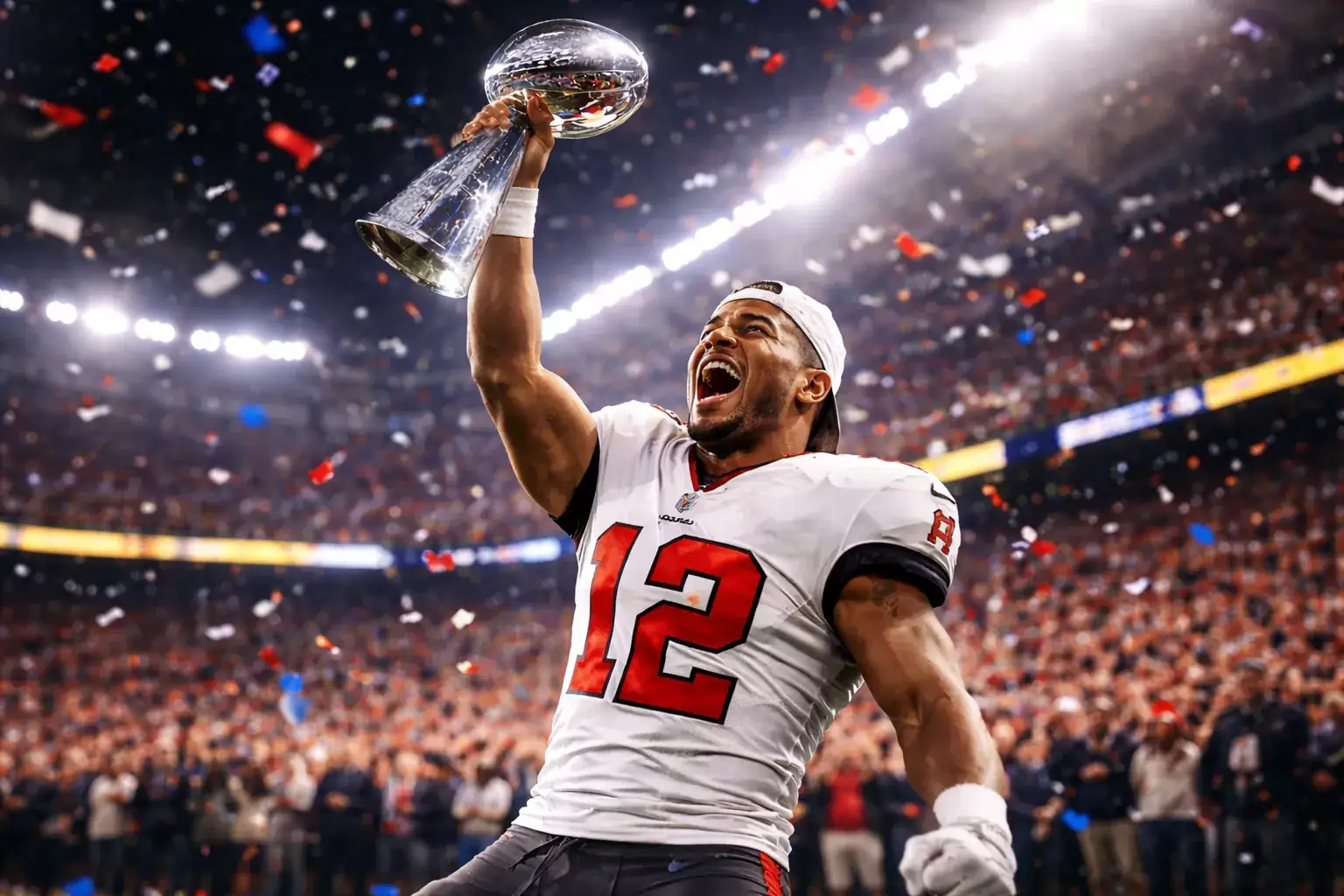
Super Bowl MVP Betting
The Super Bowl Most Valuable Player award creates a unique betting market that combines performance prediction with voter psychology. Understanding how the award is decided and which positions historically receive recognition helps you navigate this prop intelligently.
How MVP odds work reflects the voting process that determines the winner. A panel of media members selects the MVP based on their assessment of who contributed most to the winning team’s victory. This human element introduces subjectivity that pure statistics cannot capture. A quarterback who throws for 250 yards and two touchdowns might win over a receiver with 150 yards and a touchdown simply because quarterbacks are viewed as more valuable to team success.
Quarterbacks dominate MVP voting to an overwhelming degree. The winning team’s starting quarterback has won the award in roughly 60% of Super Bowls, and that percentage increases in games where the quarterback plays well. Sportsbooks price this dominance into their odds, making quarterback MVP bets expensive while skill position players offer longer odds that reflect their lower historical win rates.
The relationship between game outcome and MVP voting creates a crucial analytical insight. The MVP almost always comes from the winning team. Betting a player for MVP implicitly requires his team to win, making MVP props correlated with moneyline positions. A player at +800 for MVP offers less value if his team is a significant underdog than if they are favored. Adjusting your MVP assessment for team win probability sharpens your analysis.
Historical trends reveal patterns worth considering. Running backs win MVP when they dominate a game in ways that quarterbacks do not, typically requiring both volume and touchdowns. Wide receivers occasionally claim the award after exceptional performances, usually involving multiple touchdowns or a decisive big play. Defensive players have won MVP, but such outcomes remain rare and require dominant individual performances in games where offensive players underwhelm.
The narrative element of MVP voting influences outcomes. Comeback victories often reward the quarterback who engineered the late rally. Defensive stands that seal victories sometimes produce defensive MVP winners despite modest individual statistics. Voters respond to moments as much as cumulative production, and anticipating which potential moments might occur in a specific Super Bowl helps identify value in the MVP market.
Betting MVP as a hedge on moneyline positions creates interesting strategic opportunities. If you have significant money on one team’s moneyline, betting their opponent’s quarterback for MVP provides partial insurance. You lose the MVP bet if your moneyline hits, but you win it if your moneyline loses and the other quarterback performs well. The math on these hedges requires careful calculation, but the correlation between MVP and game outcome enables creative position management.
Novelty and Exotic Props
Super Bowl novelty props occupy a unique space in sports betting. These wagers have no connection to football performance, instead focusing on broadcast elements, entertainment, and cultural phenomena surrounding the event. Sportsbooks offer them primarily for entertainment, and the pricing reflects minimal sharp action shaping the lines.
The coin toss represents the simplest novelty prop. Heads or tails pays even money minus juice, creating a pure coin flip with negative expected value due to the vig. Some bettors treat this as tradition, placing a small wager before the game regardless of analytical merit. The coin toss also spawns derivative props like which team wins the toss and whether the winning team will elect to receive.
National anthem length has become one of the most popular novelty props. Sportsbooks set an over/under line on the duration of the anthem performance, typically around two minutes, with the exact number varying based on the announced performer’s historical tendencies. Singers known for elaborate vocal runs and extended notes push anthems longer, while those with more straightforward styles tend toward shorter performances.
Researching anthem props involves listening to the performer’s previous national anthem renditions at major sporting events. Past Super Bowl performances by the same artist prove especially valuable, though any large-event anthem provides relevant data. The performer’s recent concert recordings can hint at current vocal style, though anthem performances often differ from standard concert material.
Halftime show props cover various aspects of the musical performance. Which songs will be played, what guest performers might appear, and the duration of the halftime show all generate betting markets. These props reward those who follow the entertainment industry and track rehearsal reports that leak in the weeks before the game.
Gatorade color betting has achieved cultural icon status among Super Bowl novelty props. The tradition of dousing the winning coach with Gatorade creates a betting market on what color liquid will be poured. Historical data shows certain colors appearing more frequently, with orange and yellow among the most common. Sportsbooks price each color based on historical frequency, though the true probability remains essentially random.
Commercial props occasionally appear, asking questions about advertiser behavior or specific ad content. These markets prove difficult to handicap because commercial decisions are made in secrecy, leaving bettors with no meaningful information edge. Treat commercial props as pure entertainment rather than serious betting opportunities.
Broadcast props cover announcer statements, graphic displays, and production elements. Will the announcers mention a specific topic? Will a particular statistic appear on screen? These markets add another layer of engagement for viewers paying close attention to the broadcast, though they offer no analytical edge to exploit.
The juice on novelty props typically runs higher than on football props, reflecting the entertainment nature of these markets and the difficulty sportsbooks face in pricing them efficiently. Betting novelty props with the same intensity as game props misunderstands their purpose in the Super Bowl betting ecosystem.

Super Bowl Prop Betting Strategy
The Super Bowl prop market’s size and complexity require a disciplined strategic approach. The abundance of betting options creates temptation to wager on everything, but selective betting on well-researched positions produces better results than scattered action across unfamiliar markets.
Focus your serious prop betting on markets you understand and can analyze effectively. If you follow quarterback performance closely throughout the season, quarterback props represent your strength. If you have expertise in defensive schemes and matchups, defensive props might offer edges others miss. Playing to your analytical strengths rather than betting randomly across the entire menu concentrates your action where you have genuine insight.
The two-week buildup between conference championships and Super Bowl provides extensive preparation time. Use this window to research matchups deeply, track line movements, and identify positions that offer value relative to your projections. Sharp money enters the market throughout these two weeks, moving lines toward efficiency. Capturing favorable numbers early sometimes offers better value than waiting for additional information that the market also incorporates.
Bankroll allocation for Super Bowl props should reflect the entertainment nature of many markets while preserving serious betting capital for positions with genuine edge. Allocating a small entertainment budget to novelty props you find amusing costs little and adds enjoyment to the viewing experience. Your core betting bankroll should target football props where analysis actually predicts outcomes.
Correlation between props creates opportunities for same game parlay construction, but also risks of overexposure. If you bet multiple props that all require one team to dominate, you have concentrated risk on a single game outcome. Diversifying across independent props or deliberately seeking uncorrelated positions manages this concentration risk.
Maximizing your returns during the Big Game often involves building winning NFL same game parlays that correlate with your primary predictions.
Stay updated with the latest line movements by visiting the premier football proposition betting platform throughout the season.
Conclusion
Super Bowl prop betting offers unmatched variety and engagement for the biggest game of the NFL season. From traditional player and game props to novelty wagers on broadcast elements, the market contains opportunities for both serious bettors and casual fans seeking entertainment. Success comes from understanding which markets reward analysis, which exist purely for fun, and allocating your betting capital appropriately between them. The Super Bowl arrives once per year, and approaching its prop markets with both preparation and perspective maximizes your enjoyment of this unique betting event.
Published by the nfl Prop Bets team.