NFL Touchdown Props UK: Anytime and First TD Scorer Odds
 Available in US
Touchdown props occupy a special place in the NFL betting ecosystem. Unlike yard totals or reception counts that accumulate methodically throughout a game, touchdowns represent moments of concentrated excitement. Six points flash on the scoreboard, and your bet either cashes or it does not. This binary drama explains why touchdown props have become among the most popular wagers for both casual fans and serious bettors.
The appeal extends beyond mere entertainment. Touchdown markets allow bettors to express opinions on player usage, offensive scheme, and game flow in ways that traditional bets cannot capture. Knowing that a team will score is different from knowing who will score, and the latter question opens up profitable betting opportunities for those who study goal-line tendencies, red zone usage patterns, and scoring probability by position.
The 2025 NFL season continues the trend toward more rushing touchdowns and a declining share of passing scores at the league level, but individual game contexts still create enormous variation. A game featuring two strong rushing attacks might produce several running back touchdowns while a shootout between pass-heavy offenses loads up the receivers. Understanding these dynamics and how they translate to betting lines separates successful touchdown prop bettors from those who simply chase plus-money odds on their favorite players.
This guide covers every major touchdown prop market: anytime scorers, first and last touchdown bets, multi-touchdown props, and the increasingly popular quarterback rushing touchdown lines. Each market requires its own analytical framework, and the strategies that work for one do not necessarily transfer to another.
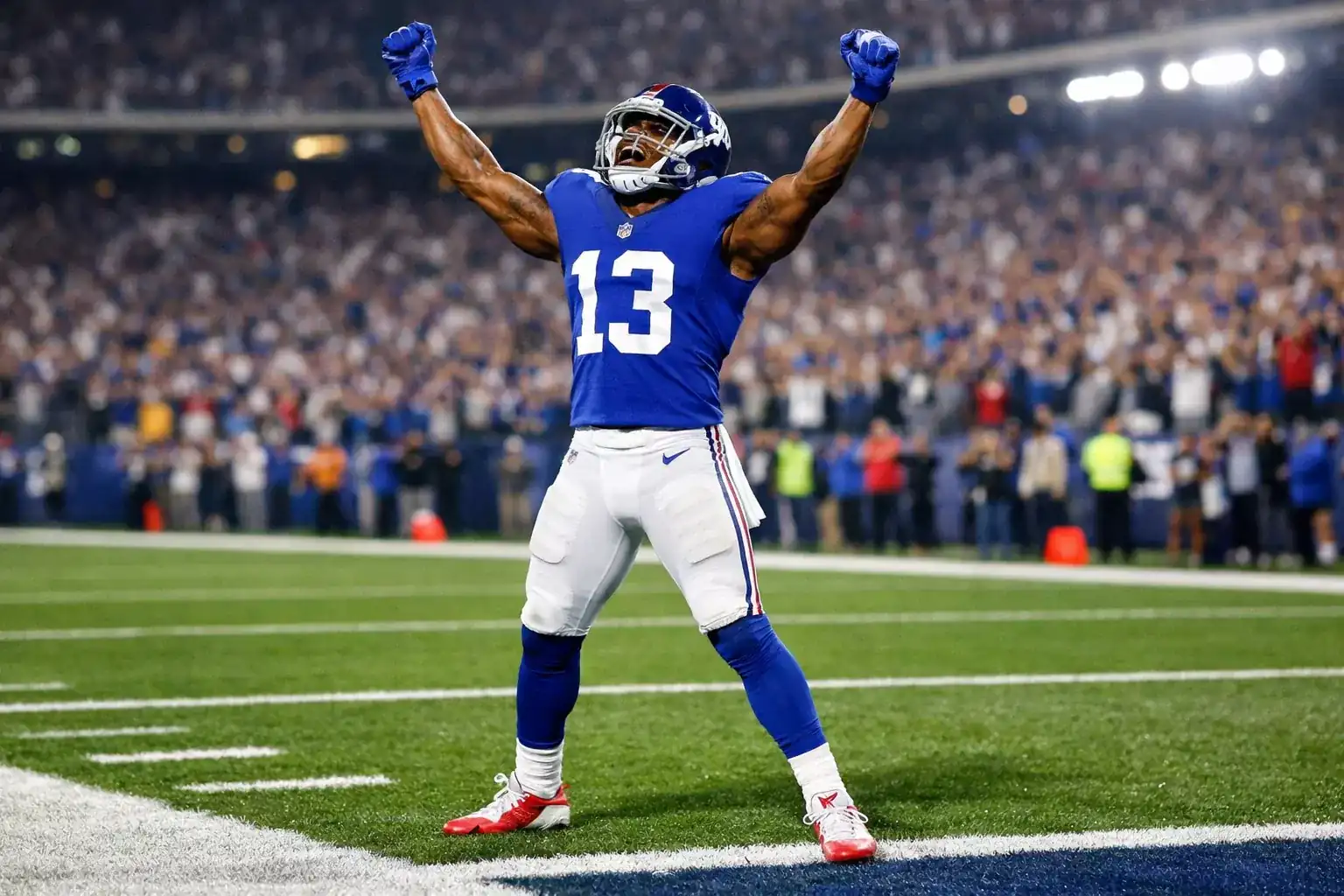
Anytime Touchdown Scorers: Analyzing Red Zone Metrics
The anytime touchdown scorer market has exploded in popularity since legal sports betting expanded across the United States. The concept is simple: pick a player, and if he scores a touchdown at any point during the game by any method, you win. Rushing touchdowns, receiving touchdowns, and even fumble or interception return touchdowns all count toward this bet.
Sportsbooks price anytime touchdown odds based on each player’s expected scoring probability. These odds vary dramatically by position and role. A workhorse running back on a high-scoring offense might be listed at -200, implying roughly 67% touchdown probability, while a third-string tight end sits at +800, implying only about 11% probability. The market efficiently prices the most likely scorers at low returns while offering significant payouts on longshots.
Understanding how to read these odds is fundamental. When you see a player listed at +120 for anytime touchdown, the sportsbook is implying he has roughly a 45% chance of scoring. If your analysis suggests his true probability is 50%, you have found a value bet. The edge might seem small, but these advantages compound over time into meaningful profit. The math of expected value governs all betting, and touchdown props are no exception.
Running backs dominate the anytime touchdown market for good reason. They accumulate goal-line carries, score on short-yardage runs, and occasionally contribute receiving touchdowns. A back with a clear goal-line role on a team that projects to score multiple touchdowns represents the most reliable path to cashing an anytime bet. Historical data consistently shows running backs converting scoring opportunities at the highest rates among offensive positions.
Wide receivers present a different risk-reward profile. They score primarily through the air, and receiving touchdowns carry more variance than rushing scores. A receiver might dominate a game with 100 yards on eight catches yet fail to find the end zone, while another has a quiet day but hauls in a red zone fade for six points. The most profitable receiver targets tend to be high-volume red zone options rather than big-play deep threats whose scores are harder to predict.
Tight ends offer interesting betting angles in the anytime market. The position has become increasingly prominent in modern offensive designs, with elite pass-catching tight ends commanding target shares that rival number-one receivers. These players often work the middle of the field and finish drives in the red zone, creating touchdown opportunities that recreational bettors sometimes undervalue. However, the tight end position also includes many blocking-first players who rarely score, so selectivity matters enormously.
The best positions to target shift based on game context. In games with high totals and expected passing volume, receivers and tight ends become more attractive. In games projecting lower scores with ground-focused offenses, running backs represent better value. Reading the game environment before selecting touchdown bets improves your hit rate significantly.
Pricing inefficiencies in the anytime market tend to emerge in specific situations. When a starting running back is questionable and his backup might inherit goal-line work, that backup’s odds sometimes lag behind his actual touchdown probability. Similarly, when a team announces a change in red zone philosophy or personnel, the market does not always adjust immediately. Staying informed about usage trends and roster news creates advantages over bettors who simply look at season-long statistics.
Correlated parlays have changed how some bettors approach anytime touchdowns. Combining an anytime scorer with a team to win or a game total over creates logical correlation that sportsbooks must price. If a team wins and the game goes over, their players are more likely to score touchdowns. Some books restrict these parlays more than others, but when available, they offer an efficient way to leverage your analysis of game flow.
First Touchdown Scorer Bets
First touchdown scorer bets amplify both the excitement and the variance of touchdown props. Instead of having an entire game for your player to score, you need him to find the end zone before anyone else. The narrowed window creates massive payouts: players who might be -150 for anytime touchdown often sit at +500 or higher for first score.
The math behind first touchdown scorer pricing reflects the difficulty of the bet. Even if a player has a 60% chance of scoring at some point during a game, his chances of scoring specifically first might only be 10-15%. Multiple players compete for that opening score, and the sequence of touchdowns throughout a game follows patterns that favor certain positions and situations over others.
Historical trends reveal important information about first touchdown scorer outcomes. Running backs account for a disproportionate share of first game scores, particularly in games that begin with sustained opening drives rather than quick three-and-outs. The first offensive possession often features heavy run usage as teams establish tempo and feel out the defense. This tendency makes backs viable first scorer candidates even when their overall touchdown probability trails that of star receivers.
Receiving touchdowns can certainly come first, particularly on big plays early in games. A deep shot on the opening drive or a quick slant that breaks for a long score can produce a first touchdown for an unlikely candidate. But these plays carry significant variance and are harder to predict than methodical drives that favor the rushing attack. Betting strategy for first touchdown should weight historical patterns while remaining aware of specific game circumstances.
Kickoff dynamics matter more for first touchdown bets than any other market. Which team receives the opening kick determines the first offensive opportunity, and some teams demonstrate consistent tendencies in their opening drive philosophy. A team that defers the kickoff to the second half eliminates their offense from the first touchdown equation unless the opening defense forces a turnover or scores itself. Researching coin toss tendencies and kickoff decisions adds an edge to first touchdown betting.
The risk-reward calculation on first touchdown scorer differs fundamentally from anytime bets. You are accepting lower hit rates in exchange for higher payouts. A sustainable approach involves smaller bet sizes relative to bankroll, treating these as high-upside lottery tickets rather than bread-and-butter plays. Expecting to win first touchdown bets frequently leads to frustration; embracing the volatility while betting judiciously creates opportunities for occasional big scores that compensate for regular losses.
Leverage analysis works well for first touchdown bets. Rather than simply picking the most likely scorer, look for situations where a player’s first touchdown odds are disproportionately high relative to his overall scoring probability. If two players have similar anytime touchdown chances but one sits at +600 for first score while the other is +400, the +600 represents better expected value assuming comparable scoring timing profiles.
Last Touchdown Scorer
Last touchdown scorer represents the mirror image of first touchdown betting, but with its own distinct characteristics. The final score of a game often comes in different circumstances than the opening touchdown, creating opportunities for bettors who understand end-game dynamics.
Games that remain competitive into the fourth quarter tend to produce different last scorers than blowouts where starters exit early. In close games, star players remain on the field and teams continue calling aggressive plays. In lopsided contests, backup running backs accumulate garbage-time carries and sometimes score inconsequential touchdowns. The projected competitiveness of a game should inform your last touchdown scorer approach.
Goal-line running backs become particularly valuable targets for last touchdown scorer bets. As games wind down, teams protecting leads often turn to the ground game to consume clock. A methodical fourth-quarter drive that ends in a short rushing touchdown is a common NFL outcome, and backs who specialize in this role offer consistent value. The closing minutes favor efficient, low-risk offensive plays, and running backs fit that profile.
Last touchdown scorer markets see less betting volume than first touchdown or anytime bets, which can create pricing inefficiencies. Sportsbooks devote less attention to markets with lower handle, and the odds may not reflect the nuanced game script dynamics that experienced bettors can identify. This market rewards those who think carefully about how games end rather than simply how they begin.
Timing considerations add complexity to last touchdown scorer analysis. A game might have its last touchdown with ten minutes remaining or in the final seconds. Defensive and special teams touchdowns can end scoring unexpectedly, voiding assumptions about offensive production. The uncertainty around game flow makes last touchdown scorer one of the higher-variance touchdown markets, requiring appropriate bet sizing and expectation management.
Multiple Touchdowns Scorer Props
The two-plus touchdowns market offers another way to bet on player scoring, targeting performances where a single player finds the end zone multiple times. These bets carry higher odds than anytime touchdowns but require more specific circumstances to cash.
Multi-touchdown games happen regularly in the NFL but concentrate among a relatively small group of players. Elite running backs with heavy goal-line usage and star receivers who dominate target share in the red zone account for most two-plus touchdown outcomes. Betting this market profitably requires identifying which players have realistic multiple-score potential rather than chasing long odds on players who rarely score twice.
The pricing on two-plus touchdown bets reflects the compounded difficulty. If a player has a 50% chance of one touchdown, his chances of two might be closer to 15-20%, depending on usage patterns and game environment. Sportsbooks set odds accordingly, typically offering +200 to +400 on the most likely candidates and +800 or higher on longshots. Finding value requires comparing these prices to your assessment of true probability.
Game script significantly influences multi-touchdown potential. In projected shootouts with high totals, the overall scoring volume creates more opportunities for individual players to score twice. Games with lower totals concentrate touchdowns among fewer plays and players, actually increasing multi-score probability for the most heavily used options. Analyzing expected game flow helps identify situations where multi-touchdown outcomes become more likely.
Red zone usage rates matter enormously for two-plus touchdown props. A player might accumulate significant yardage between the twenties but rarely see targets or carries when his team threatens to score. Conversely, a goal-line specialist might have modest overall numbers but receive disproportionate red zone opportunities. Separating red zone involvement from general production sharpens your analysis of multi-score potential.
Running backs with dual-threat capability represent the best candidates for multi-touchdown games. Backs who both carry the ball inside the five and catch passes in the red zone have multiple paths to the end zone. Christian McCaffrey, Saquon Barkley, and similar versatile backs regularly post multi-touchdown performances because their involvement does not depend on a single type of play call. This versatility creates natural advantages in the two-plus touchdown market.
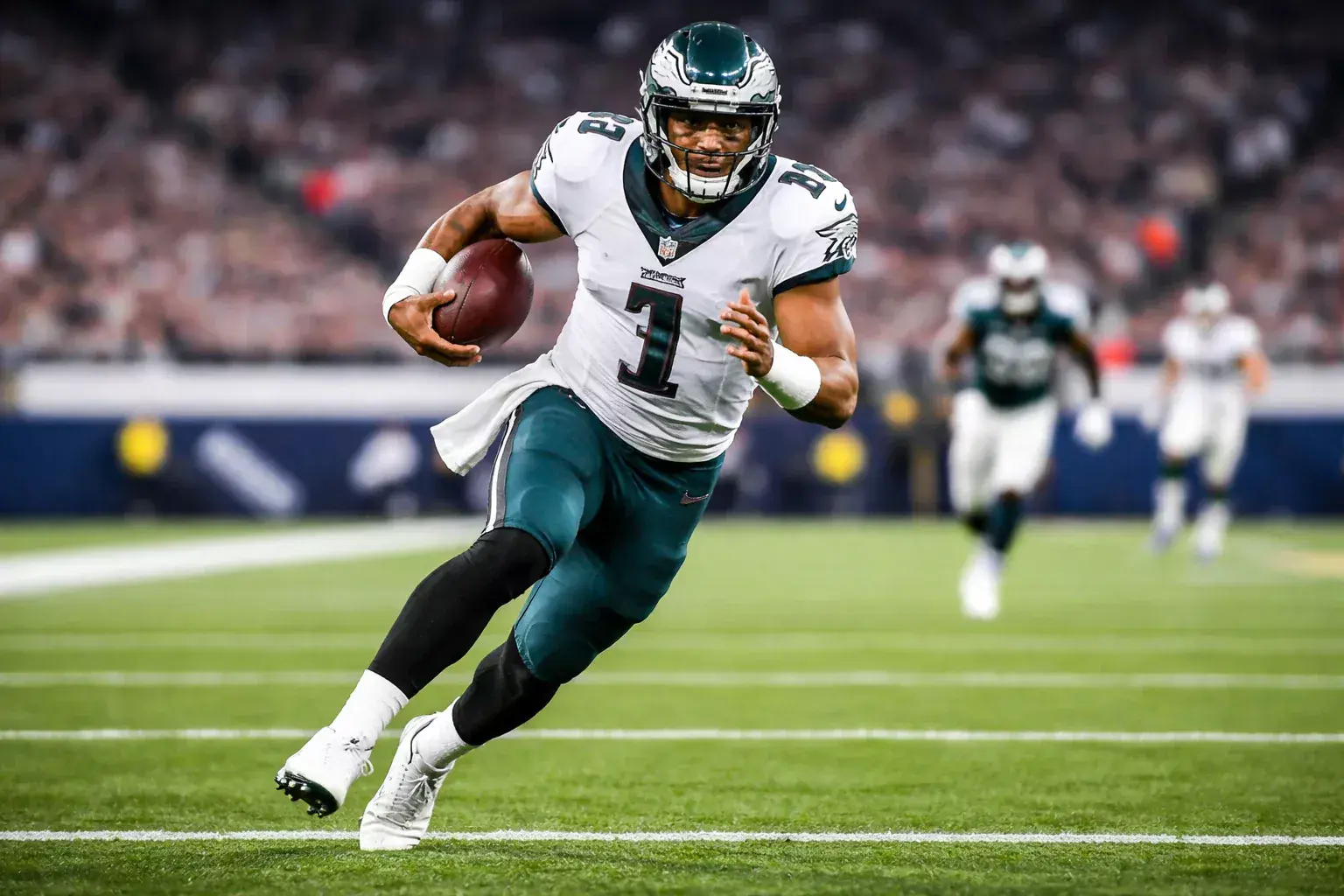
Quarterback Rushing Touchdowns
Quarterback rushing touchdowns have evolved from novelty props into a significant betting market as mobile quarterbacks reshape NFL offenses. The days when pocket passers dominated the position are fading, and modern quarterback play increasingly incorporates designed runs and scrambles that create scoring opportunities.
Lamar Jackson transformed expectations for quarterback rushing production, regularly posting rushing touchdown totals that rival running backs. Josh Allen, Jalen Hurts, and others have followed, establishing themselves as legitimate goal-line rushing threats. Sportsbooks now routinely offer quarterback rushing touchdown props for these players, and the markets carry enough volume to attract serious betting attention.
The pricing on quarterback rushing touchdowns reflects historical tendencies. A mobile quarterback with a track record of goal-line runs might be listed at +150 for anytime rushing touchdown, while a traditional pocket passer sits at +600 or higher. These odds translate to implied probabilities that you can compare against your own analysis. If a quarterback faces a defense that struggles to contain mobile quarterbacks near the goal line, his rushing touchdown probability might exceed what the line implies.
Designed run plays inside the five-yard line drive quarterback rushing touchdown outcomes. Teams with mobile quarterbacks often install red zone packages featuring zone-read options, quarterback draws, and bootleg runs specifically to exploit defensive respect for the passing game. Understanding a team’s red zone play-calling tendencies helps identify which quarterback rushing touchdown lines offer value.
Scramble touchdowns add variance to this market. Even quarterbacks who rarely run by design occasionally escape pressure and find the end zone on improvised plays. These scores are difficult to predict and should not form the foundation of your analysis, but they do contribute to overall quarterback rushing touchdown probability. Facing a defense that generates pressure without containing the quarterback elevates scramble touchdown risk.
The interplay between quarterback rushing touchdowns and passing touchdowns creates interesting dynamics. In the red zone, a defense that sells out to stop the run might open passing lanes, while a defense focused on coverage might allow rushing opportunities. Game script also matters: a quarterback on a team trailing significantly is less likely to have designed runs called than one on a team controlling the game. Reading the projected game flow informs quarterback rushing touchdown analysis.
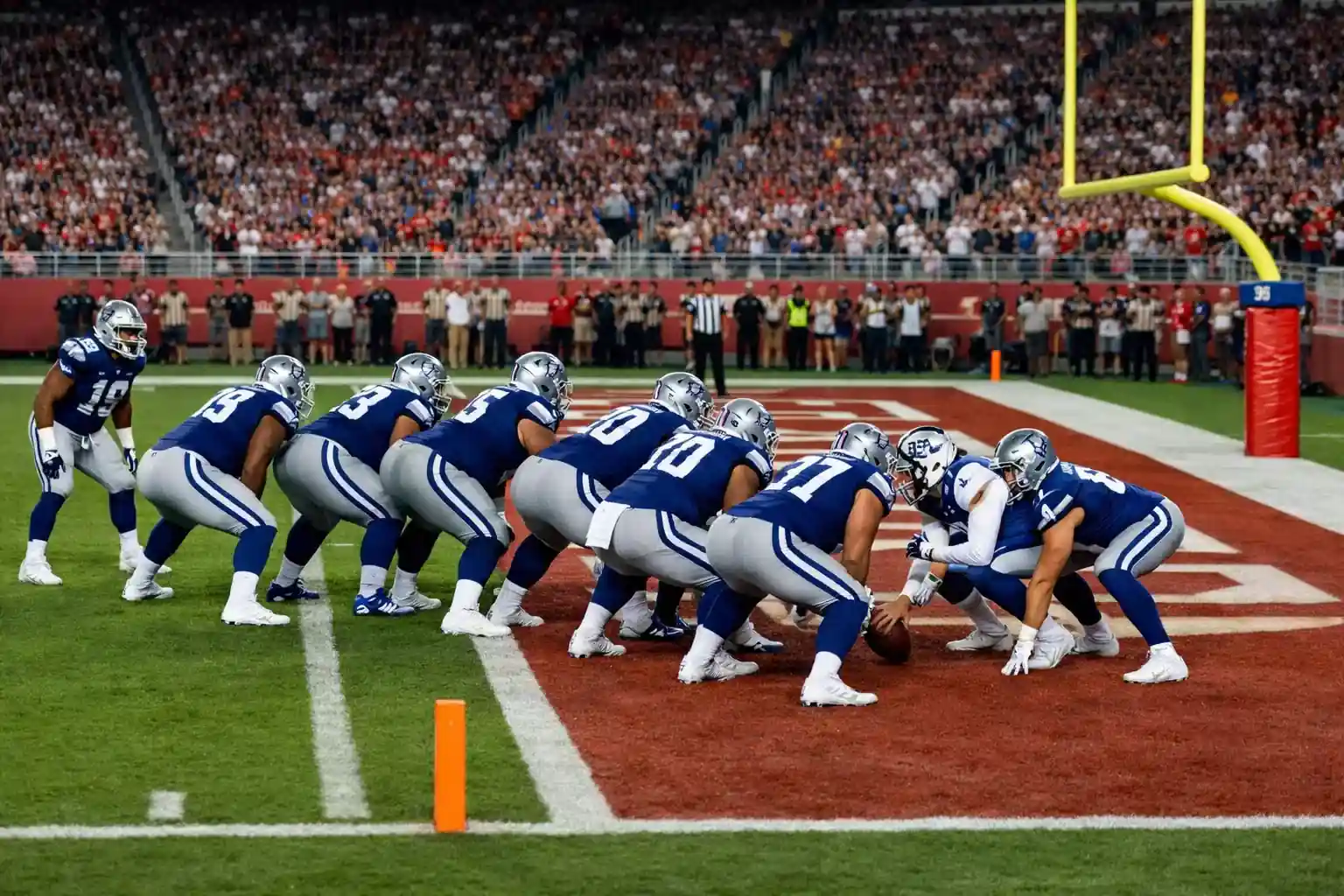
Red Zone Analysis for Touchdown Props
Red zone efficiency sits at the heart of touchdown prop betting. Once an offense crosses the opponent’s twenty-yard line, scoring becomes far more likely, and understanding which players dominate these high-leverage situations separates successful bettors from those who rely on broader statistics.
Not all red zone usage translates equally to touchdown probability. A receiver who catches ten passes of fifteen yards or more inside the red zone but rarely sees targets inside the five creates different betting value than one who operates primarily near the goal line. The granularity of red zone data matters: inside the ten-yard line and especially inside the five represent the highest-value zones for touchdown prediction.
Target share inside the red zone often differs meaningfully from overall target share. Some receivers specialize in red zone work despite modest yardage totals, earning targets on fade routes, back-shoulder throws, and quick slants near the goal line. Others accumulate yards between the twenties but disappear when scoring opportunities arise. Prop bettors who track red zone target share rather than overall targets gain predictive advantages.
Running back red zone usage patterns reveal goal-line roles that general statistics obscure. Some teams feature a dedicated short-yardage back who enters specifically for third-and-short and goal-line situations. This player might have modest overall rushing numbers but exceptional touchdown production relative to his workload. Identifying these specialists and understanding when they enter games helps target undervalued touchdown props.
Defensive matchups in the red zone create specific advantages and disadvantages. A defense that ranks poorly against the run in general might be especially vulnerable inside the five, where play-action becomes less effective and power football dominates. Conversely, a defense with strong interior linemen might funnel scoring opportunities toward the air even if they struggle against the pass in the open field. Matching offensive tendencies against defensive vulnerabilities in compressed spaces sharpens red zone analysis.
Touchdown concentration varies significantly by team. Some offenses spread scoring opportunities across multiple players, making any single player’s touchdown probability lower but more predictable. Others funnel touchdowns to one or two primary scorers who accumulate disproportionate shares of the team’s end zone production. Betting on teams with concentrated scoring offers higher hit rates on specific players but requires accurate identification of those players.
Pace of play influences red zone opportunity volume. Teams that run more plays generate more chances to enter the red zone over the course of a game. A high-pace offense might see five or six red zone trips while a slow, grinding team manages only three. More opportunities mean more chances for individual players to score, making pace a relevant factor when projecting touchdown probability across different matchups.

Touchdown Props Betting Strategy
Profitable touchdown prop betting demands a structured approach built on data rather than intuition. The markets are efficient enough that casual analysis rarely produces sustained profits, but systematic bettors who track the right metrics can find edges.
Target share analysis should anchor your research. A player who sees 30% of his team’s red zone targets has fundamentally different touchdown equity than one at 15%, regardless of their respective prices. Building a database of red zone usage by player allows you to identify situations where the market undervalues scoring probability. This work requires effort but creates a durable edge that hunches cannot match.
Goal-line usage deserves separate tracking from general red zone involvement. The difference between a target at the fifteen-yard line and a carry at the two-yard line is enormous in terms of scoring probability. Players who dominate inside the five-yard line represent more reliable touchdown bets than those whose red zone work concentrates further from the end zone.
Game script considerations inform bet sizing and selection. In games projecting to be high-scoring and competitive, overall touchdown volume rises and multiple players have realistic scoring chances. In defensive slugfests, touchdowns become scarcer and more difficult to predict. Adjusting your approach based on projected game environment improves results over blindly betting the same players regardless of circumstance.
Bankroll discipline matters especially in touchdown markets due to inherent variance. Even accurate analysis produces losing stretches because touchdowns cluster unpredictably. Sizing bets appropriately, avoiding chase behavior after losses, and maintaining long-term perspective keep you in the game through inevitable rough patches.
If you want to diversify your betting portfolio, analyzing quarterback and receiver prop bets can offer more consistent daily opportunities.
Find exclusive tips and data-driven insights on our expert NFL prop bets site to beat the sportsbooks.
Conclusion
Touchdown props offer NFL bettors a compelling blend of entertainment and analytical opportunity. From the accessibility of anytime touchdown bets to the high-reward potential of first scorers and multi-touchdown props, these markets reward those who study player usage, understand game dynamics, and approach betting with discipline. The key is matching your research depth to the variance of each market while maintaining sustainable bankroll practices. Touchdowns create the moments that define NFL games, and betting them thoughtfully adds another dimension to the football experience.
Created by the ”nfl Prop Bets” editorial team.