NFL Player Props UK: Quarterback and Receiver Betting Odds
 Available in US
The NFL betting landscape has transformed dramatically over the past decade, and player proposition bets sit at the center of this evolution. Where bettors once focused almost exclusively on point spreads and moneylines, the modern NFL wagering menu reads more like a fantasy football stat sheet. Every snap, every target, every yard gained has become an opportunity to test your football knowledge against the oddsmakers.
Player props appeal to a different kind of bettor. These wagers reward those who study individual matchups, track snap counts, and understand how game scripts influence player usage. You might know the Chiefs will cover the spread, but do you know whether Travis Kelce will exceed his receiving yards total against a specific defensive scheme? That granular knowledge is where player props create their value proposition.
The growth of legal sports betting across the United States has coincided with an explosion in player prop offerings. Sportsbooks now list dozens of markets for every NFL game, covering everything from quarterback passing attempts to defensive sacks. This guide breaks down the major categories of player props, explains how odds work in this space, and provides actionable strategies for making informed wagers throughout the NFL season.
Whether you are a seasoned handicapper looking to diversify your betting portfolio or a fantasy football enthusiast seeking to monetize your player knowledge, understanding player props is essential. The skills that make you successful at daily fantasy sports translate directly to prop betting, often with better risk-reward profiles than traditional spread betting.

NFL Player Prop Odds: Analyzing QB and Receiver Markets
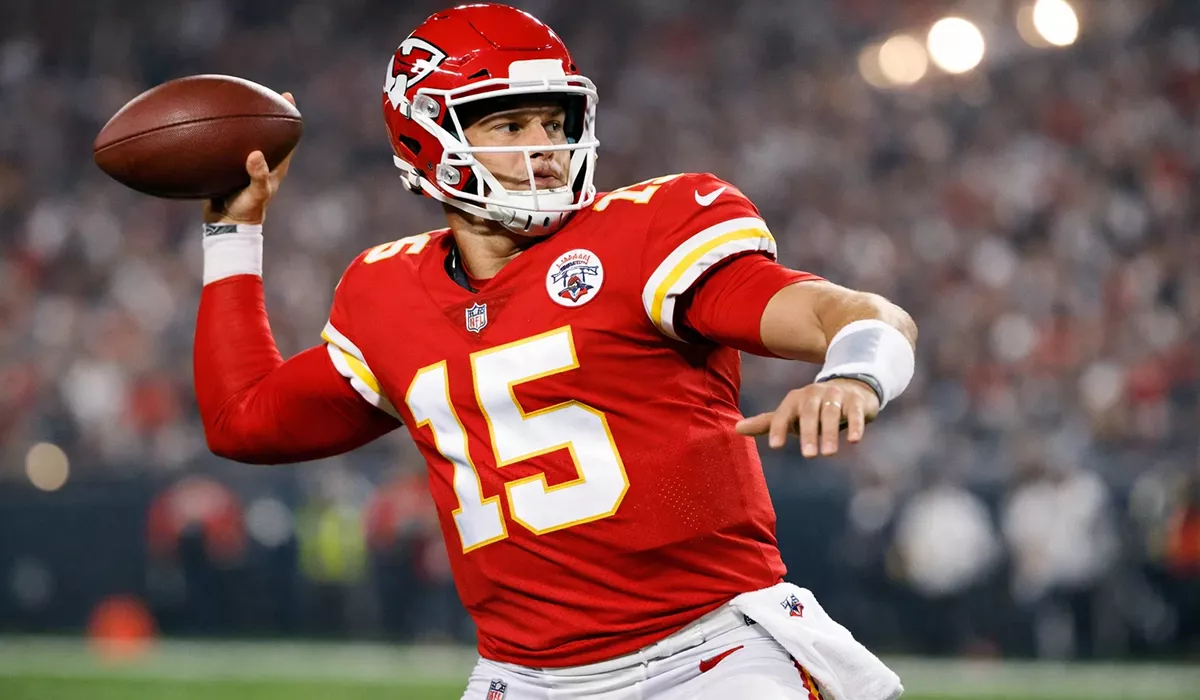
Player prop bets typically come in two formats: over/under totals and yes/no propositions. The over/under format dominates most statistical categories. When you see a line like “Patrick Mahomes passing yards: Over 285.5 (-110) / Under 285.5 (-110),” you are looking at a market where the sportsbook has set a benchmark number and attached odds to both sides.
The half-point in that 285.5 line exists for a reason. Unlike point spreads where pushes occasionally occur, player props almost always have a decimal to force a definitive outcome. If Mahomes throws for exactly 285 yards, the under wins. If he finishes with 286, the over cashes. This eliminates pushes and ensures every bet has a clear resolution.
Standard juice on player props hovers around -110 on both sides, meaning you risk $110 to win $100. However, sportsbooks frequently shade their lines based on public perception and sharp action. A popular player in a high-profile game might see his over juiced to -120 or higher, reflecting the volume of recreational money expected on that side. Savvy bettors watch for these imbalances and look for value on the less popular side when the number itself remains accurate.
Yes/no props work differently but follow similar principles. An “anytime touchdown scorer” bet prices each player individually based on their likelihood of finding the end zone. You might see one running back at -150 (implying roughly 60% probability) while another sits at +180 (implying roughly 36% probability). These prices reflect not just scoring opportunity but also role, usage, and game context.
The vig on player props tends to run higher than on spread or total bets, particularly for smaller sportsbooks. This juice represents the cost of playing in these markets and underscores the importance of shopping lines across multiple books. A prop priced at -115 at one sportsbook might be -105 elsewhere, and that difference compounds significantly over the course of a season.
Reading prop odds requires understanding implied probability. When you see -110, the implied probability is approximately 52.4%. The sportsbook builds in their margin by having both sides imply more than 50%, creating the theoretical hold that funds their operation. Your job as a bettor is to find situations where your assessed probability exceeds the implied probability by a margin large enough to overcome the juice.
Alternate lines add another dimension to player prop betting. Most books offer multiple options for popular players, letting you take lower totals at worse odds or higher totals at better odds. If the standard Derrick Henry rushing yards line is 85.5, you might find 75.5 at -180 or 95.5 at +130. These alternate markets allow you to calibrate your position based on your confidence level and target the specific risk-reward profile that matches your analysis.
Quarterback Prop Bets
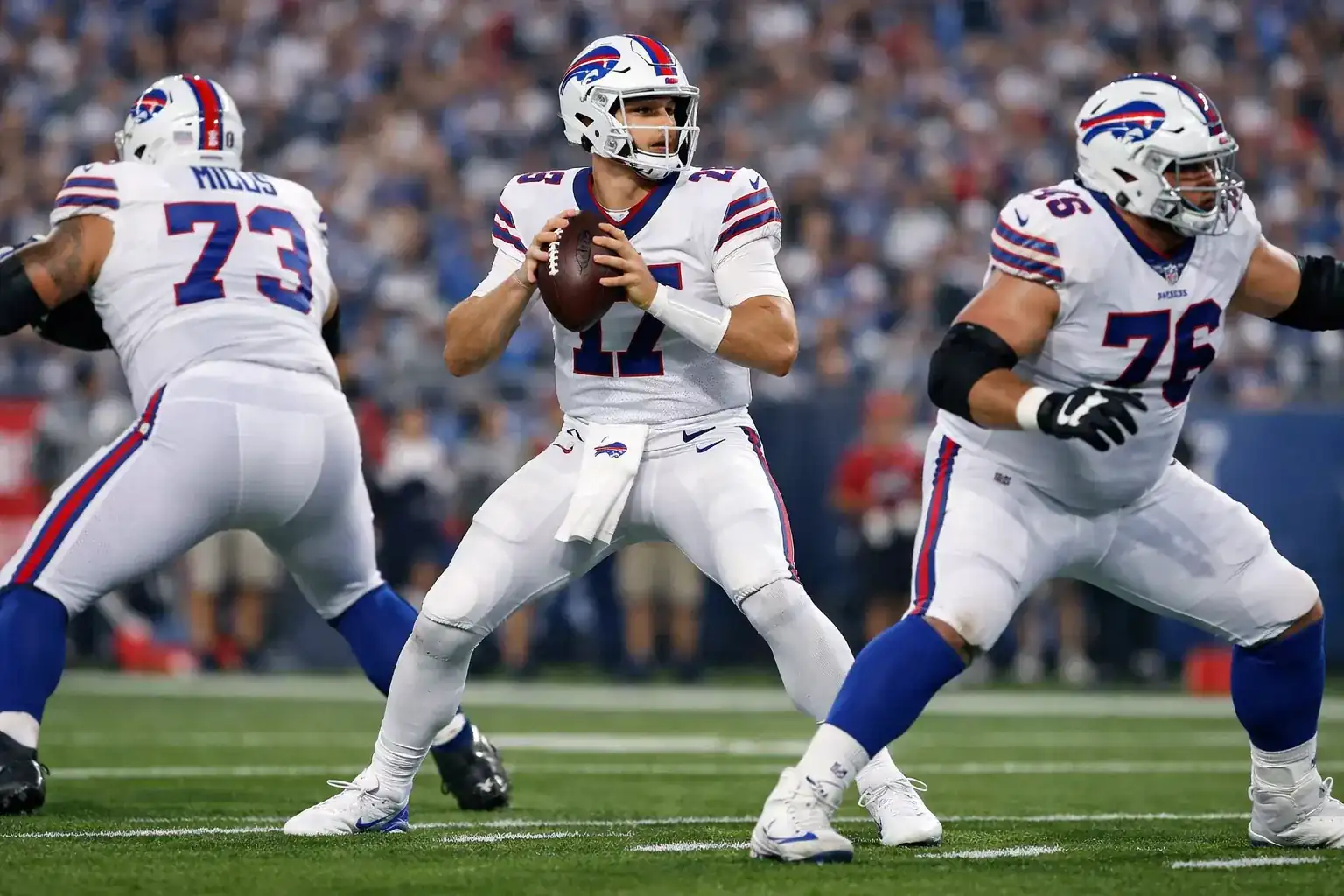
Quarterback props dominate the NFL player prop landscape, and for good reason. The position touches the ball on virtually every offensive snap, generates easily quantifiable statistics, and attracts massive public attention. Every sportsbook offers extensive quarterback markets, making this the deepest and most liquid category for prop bettors.
Passing yards represent the most popular quarterback prop market. Sportsbooks set totals based on a combination of season averages, opponent defensive metrics, game total, and situational factors like weather and venue. A quarterback facing a bottom-tier pass defense in a dome with a high game total might see his line inflated by 20-30 yards compared to a neutral situation. Understanding which factors the books weigh heavily allows you to identify potential inefficiencies.
The relationship between game total and quarterback passing yards creates a useful framework for analysis. Higher totals generally correlate with more passing volume, though the relationship is not perfectly linear. A game with a total of 52 typically produces more combined passing yards than a game totaling 42, but defensive quality and pace of play introduce significant variance. Some high-scoring games feature efficient rushing attacks rather than aerial shootouts.
Passing touchdowns offer interesting value dynamics. Unlike yards, which accumulate gradually throughout a game, touchdowns are discrete events with significant variance. A quarterback might finish with three touchdowns in one game and zero the next despite similar overall performance. Prop bettors targeting this market often look at red zone opportunities, opponent red zone defense, and the offensive philosophy regarding goal-line play-calling.
Completions and attempts props attract less public attention but offer opportunities for informed bettors. These markets correlate with game script expectations. A team projected as a significant underdog often sees elevated attempt totals, reflecting the anticipated need to throw more while trailing. Completions depend on completion percentage assumptions, which vary meaningfully between quarterbacks. A high-volume, short-passing offense generates more completions at a given attempt total than a downfield-oriented attack.
Interceptions props present unique challenges. Most quarterbacks average well under one interception per game, making the over a long-odds proposition in single-game contexts. However, certain matchups and situational factors elevate turnover probability. Quarterbacks facing elite pass rushes throw more interceptions, as do those playing from behind against defenses that can tee off with aggressive coverage. Weather conditions, particularly wind and precipitation, also increase interception likelihood.
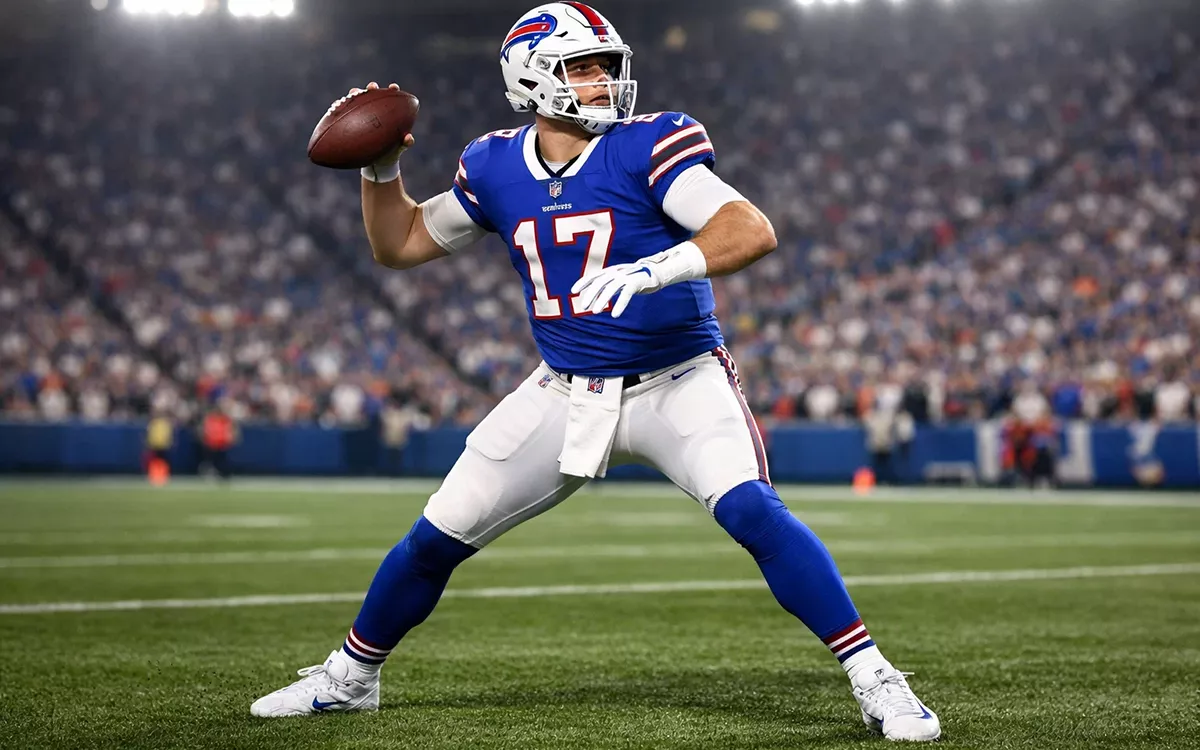
Rushing yards for quarterbacks have become increasingly relevant as mobile quarterbacks populate NFL rosters. Lamar Jackson, Josh Allen, and Jalen Hurts all carry rushing prop markets that rival those of some running backs. These lines require different analytical frameworks than passing props, focusing on designed runs, scramble tendencies, and opponent rushing defense against quarterbacks specifically.
Running Back Prop Bets
Running back props center on rushing production, but the analytical complexity runs deeper than simply looking at carries and yards. Workload distribution, game script expectations, and matchup specifics all influence how you should approach these markets.
Rushing yards props require understanding the difference between volume and efficiency. A running back projected for 18 carries against a stout run defense might produce fewer yards than one projected for 14 carries against a porous front. Sportsbooks balance these factors when setting lines, but their models may not perfectly capture matchup-specific elements like interior line play or defensive scheme tendencies.
Carries themselves matter as props. Some sportsbooks offer attempt totals, which provide a cleaner measure of workload than yard projections. A running back with a prop of 17.5 carries either gets the volume or he does not, removing efficiency variance from the equation. These markets suit bettors who have strong opinions about game script and usage but less certainty about per-carry production.
Rushing touchdowns for running backs sit in a sweet spot for prop betting. Unlike wide receivers who might score from anywhere on the field, running backs predominantly score on goal-line and short-yardage opportunities. This creates a more predictable scoring distribution. Backs with defined goal-line roles, particularly those on teams that run frequently inside the five, offer more consistent scoring profiles than those who split red zone work.
The game script effect on running back props cannot be overstated. Teams that fall behind early abandon the run at predictable rates. A running back on a 10-point underdog faces meaningful probability of reduced second-half carries regardless of first-half performance. Conversely, favorites expected to build leads often feature their running backs more heavily as games progress. This asymmetry affects both yard and touchdown projections.
Receiving props for running backs represent an underexploited market. Many recreational bettors view running backs purely through the rushing lens, but pass-catching backs can accumulate significant receiving production. Players like Austin Ekeler or Alvin Kamara regularly post receiving lines that rival some wide receivers. These markets offer value when sportsbooks underweight a back’s receiving role or when game script projects to favor checkdown volume.
Snap count data provides crucial context for running back props. A back who plays 75% of his team’s offensive snaps has far more opportunity than one who splits time evenly with a committee partner. Snap percentage correlates with both rushing attempts and receiving targets, making it perhaps the single most predictive metric for overall running back production in any given game.
The emergence of committee backfields complicates running back prop analysis. Teams increasingly deploy multiple backs in specialized roles: an early-down grinder, a passing-down specialist, and perhaps a change-of-pace runner. Understanding how each back is deployed within the committee structure allows you to target props more precisely. The early-down back might offer value on rushing yards while the passing-down back presents opportunity on receptions.
Wide Receiver and Tight End Props
Wide receiver props demand perhaps the most nuanced analysis of any player prop category. Target distribution in passing offenses varies dramatically based on coverage, game situation, and defensive scheme, creating volatility that can work for or against bettors depending on their approach.
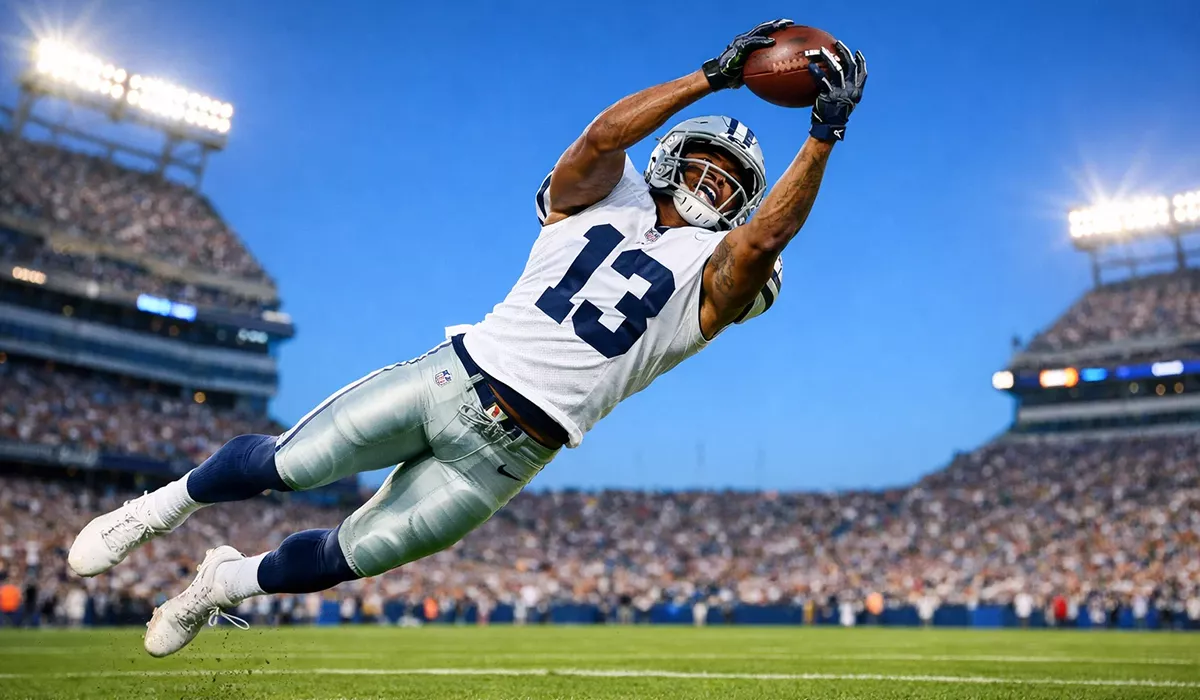
Receiving yards for wideouts depend heavily on target volume and average depth of target. A possession receiver running primarily short and intermediate routes needs substantial volume to hit a yards total, while a deep threat can smash an over on just a few catches. Understanding a receiver’s route tree and role within the offense helps calibrate realistic outcomes for any given matchup.
Cornerback matchups shape wide receiver prop analysis more than any single factor. When a team’s top corner shadows the opponent’s number one receiver, that receiver’s production typically decreases while the number two or slot receiver sees elevated opportunity. Not all teams employ shadow coverage, however, and some elite corners play exclusively on one side of the field regardless of receiver alignment. Knowing these defensive tendencies allows you to project target distribution more accurately.
Receptions props isolate volume from efficiency, offering a cleaner betting proposition for certain situations. A receiver who runs many short routes might comfortably hit a receptions over even on a day when yards fall short. Conversely, a deep threat might obliterate a yards total on four catches while falling short of a five-reception prop. Game script projections matter here too, as trailing teams throw more frequently and often target their reliable hands more heavily in comeback situations.
Tight end props occupy a unique space in the market. The position has stratified into elite pass-catching options and blocking-first players, with the former commanding prop lines that rival top receivers while the latter barely register. Travis Kelce’s props look nothing like those of a blocking tight end, and the analytical frameworks for each vary accordingly. Elite tight ends often thrive against linebacker coverage in the middle of the field, making opponent defensive scheme a primary consideration.
Target share analysis proves essential for both wide receiver and tight end props. A receiver who commands 25% of his team’s targets will generally outproduce one with a 15% share, all else equal. This metric captures role and opportunity better than raw counting stats from previous games. Tracking target share over multiple weeks reveals true usage patterns that single-game results can obscure.
Snap percentage functions differently for receivers than running backs. Unlike backs who accumulate stats through direct touches, receivers need both snaps and targets. A receiver might play 90% of snaps but receive only 10% of targets if his role is primarily as a blocker or decoy. Combining snap data with target share gives the clearest picture of a receiver’s true offensive involvement.
Defense and Special Teams Props
Defensive props represent a smaller but increasingly popular segment of the player prop market. Sportsbooks have expanded these offerings as betting demand grows, though the markets remain less efficient than offensive player props due to lower liquidity and less analytical attention.
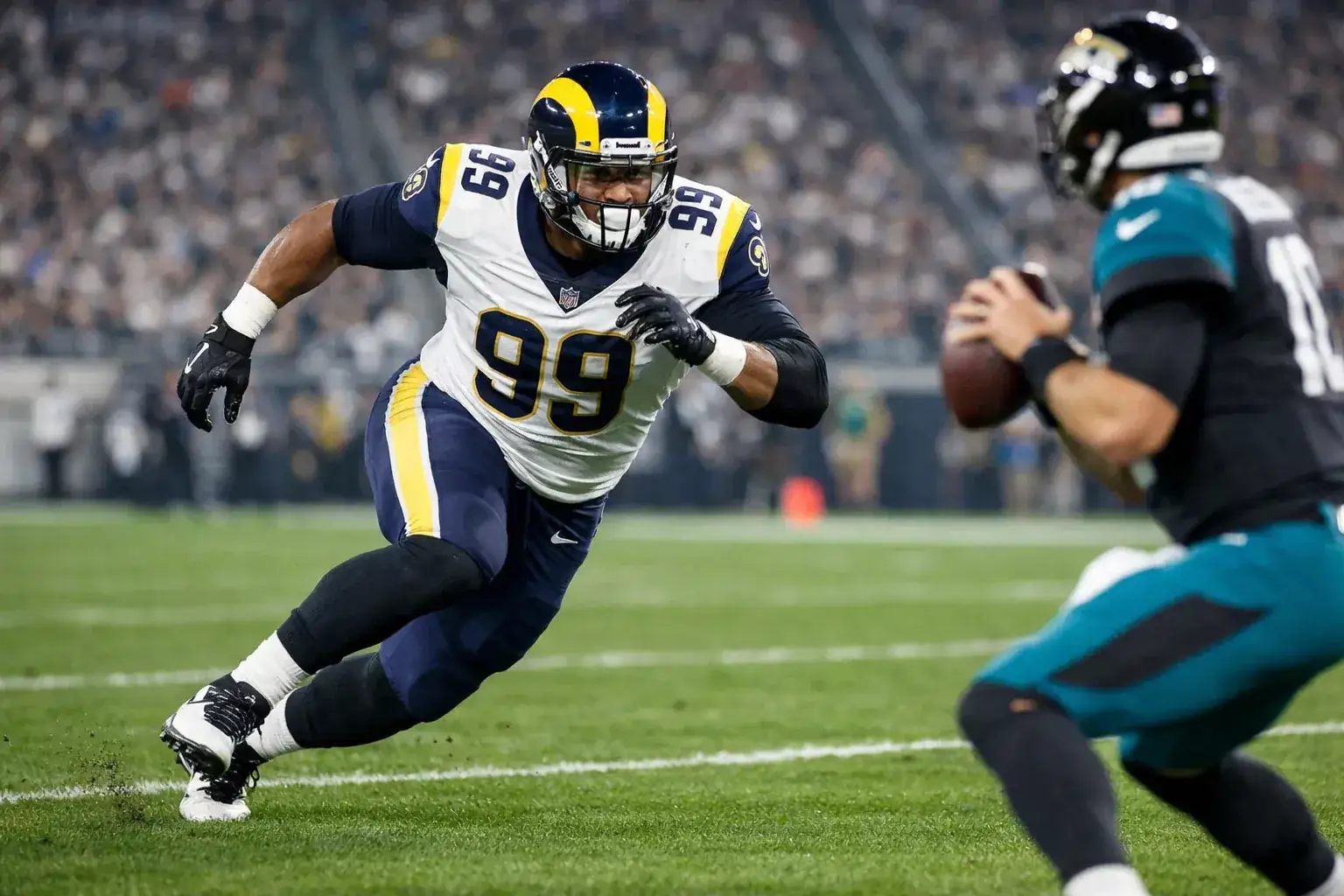
Sacks for individual defenders rarely offer strong betting value due to the inherent variance in quarterback pressure conversion. A pass rusher might generate consistent pressure over multiple games but convert that pressure to sacks at wildly varying rates. Team sack props, which aggregate across the entire defense, smooth some of this variance but introduce complexity around defensive scheme and opponent offensive line quality.
Tackles for linebackers and safeties provide more consistent betting opportunities. High-volume tacklers accumulate stats relatively predictably, particularly in run-heavy game environments. A starting inside linebacker facing a team that prioritizes rushing offense often exceeds his tackle total simply through workload. These props fly under the radar of most recreational bettors, creating potential value for those who do the research.
Interceptions at the individual level carry enormous variance. Even elite cornerbacks average well under one interception per game over a full season. Prop markets reflect this, often offering significant plus-money on any defender to record a pick. These bets function more like lottery tickets than informed wagers, though certain matchups do elevate interception probability meaningfully.
Defensive touchdowns and special teams scores typically appear as team props rather than individual player markets. These events are rare enough that individual props would carry extreme odds and minimal betting interest. Team-level markets allow bettors to express a view on turnover and return potential without requiring prediction of which specific player will make the play.

Where to Bet Player Props
The sportsbook you choose for player props matters more than for traditional spread betting. Prop markets vary significantly across books in both line availability and pricing, creating opportunities for bettors who maintain accounts at multiple operators.
Major sportsbooks like DraftKings, FanDuel, BetMGM, and Caesars all offer extensive player prop menus for NFL games. Each book tends to have slightly different lines based on their own modeling and the action they have received. A player might be listed at 65.5 receiving yards at one book and 67.5 at another, a meaningful difference that compounds over volume.
Line shopping becomes essential in the prop market. Unlike point spreads where most books cluster around consensus numbers, prop lines can diverge substantially. Building a routine of checking multiple books before placing any prop bet maximizes your expected value over time. Several line comparison tools exist specifically for this purpose, aggregating prop odds across legal sportsbooks.
Betting limits on player props typically run lower than on spreads or totals. Sportsbooks accept less risk on these markets due to the lower liquidity and greater potential for informed betting. This limit structure affects serious bettors more than recreational players, but understanding that you cannot always bet your desired amount on a prop is important for bankroll planning.
Timing matters for player prop betting. Lines often move significantly from their initial release through kickoff as injury news emerges and sharp money enters the market. Some bettors prefer early lines before the market sharpens, while others wait for late information that might not be fully priced. Your strategy should align with your informational edge and preferred approach.
Player Props Betting Strategy
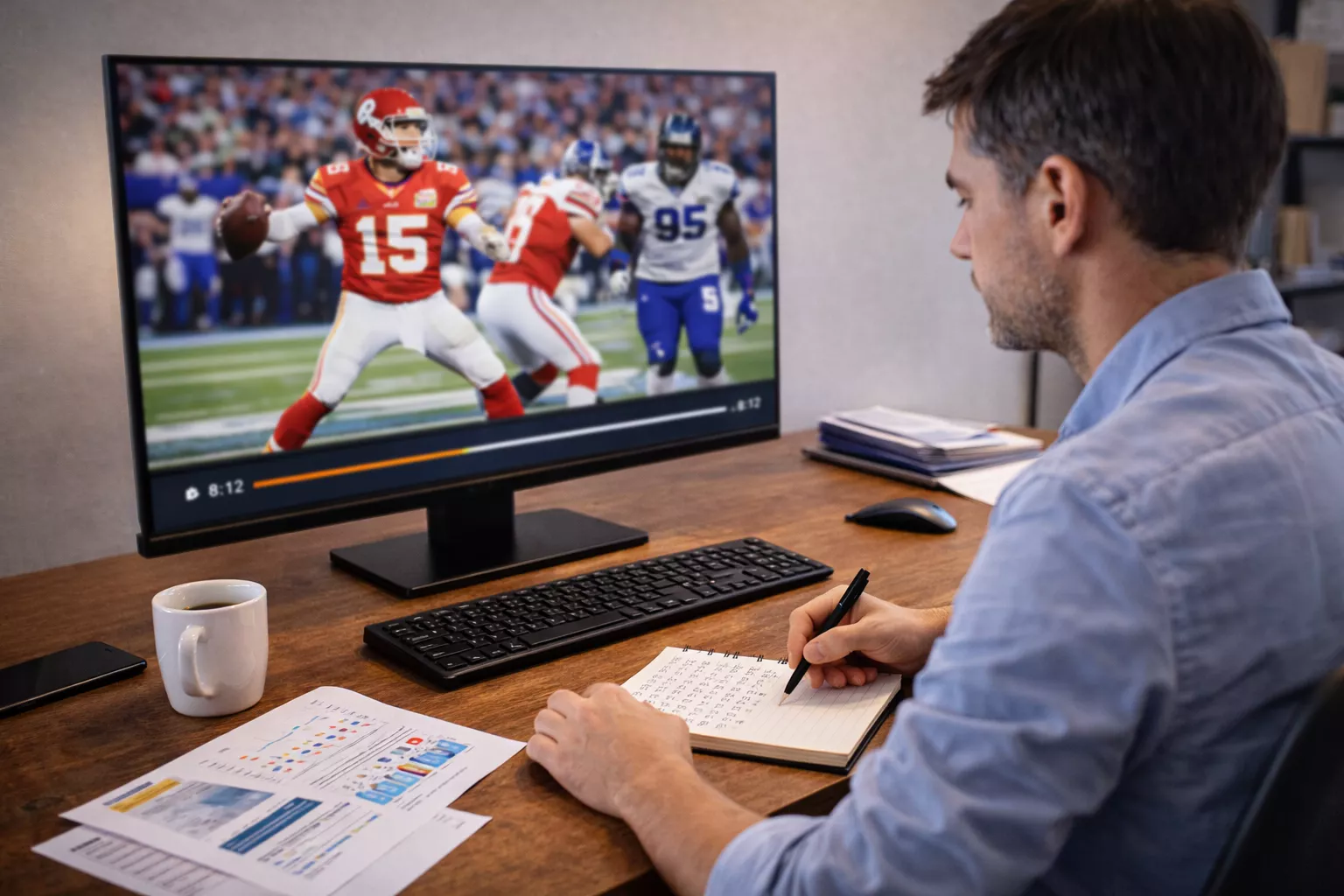
Successful player prop betting requires a systematic approach that goes beyond gut instinct. The most consistent winners in this market treat it as an analytical exercise, building processes that identify value rather than chasing hunches or public narratives.
Start with median performance rather than averages when projecting player outcomes. A quarterback who throws for 400 yards once and 200 yards three times averages 250 yards, but his median performance is closer to 200. Sportsbooks often set lines closer to averages, creating systematic opportunities on unders for high-variance players. Building your own models using median and consistency metrics reveals these inefficiencies.
Bankroll management for props differs from spread betting due to higher variance and juice. A sensible approach limits individual prop bets to 1-2% of your bankroll, acknowledging that even well-researched positions lose frequently. Tracking your bets meticulously reveals which market segments produce positive returns over time, allowing you to double down on strengths and eliminate losing patterns.
Specialization beats generalization in player props. Rather than betting across all markets, focus on one or two areas where you can develop genuine expertise. Perhaps you track receiver usage patterns better than the market, or you have superior insight into game script effects on running back workloads. Identifying your edge and concentrating there produces better long-term results than spreading attention thinly.
Once you understand individual performance metrics, you can start exploring NFL touchdown props to find value in anytime scorer markets.
For the most accurate odds and comprehensive analysis, always consult our top NFL prop betting guide before placing your wagers.
Conclusion
Player props have grown from novelty bets into a core component of NFL wagering. The markets reward football knowledge, analytical thinking, and disciplined execution. Whether you focus on quarterback yards, running back touchdowns, or receiver receptions, the principles remain consistent: understand the factors driving outcomes, find situations where your assessment differs from the line, and manage your bankroll to survive the inherent variance. The path to profitability runs through preparation, patience, and continuous learning.
Published by the nfl Prop Bets team.