NFL Same Game Parlay UK: Multi-Bet Wagering Strategies
 Available in US

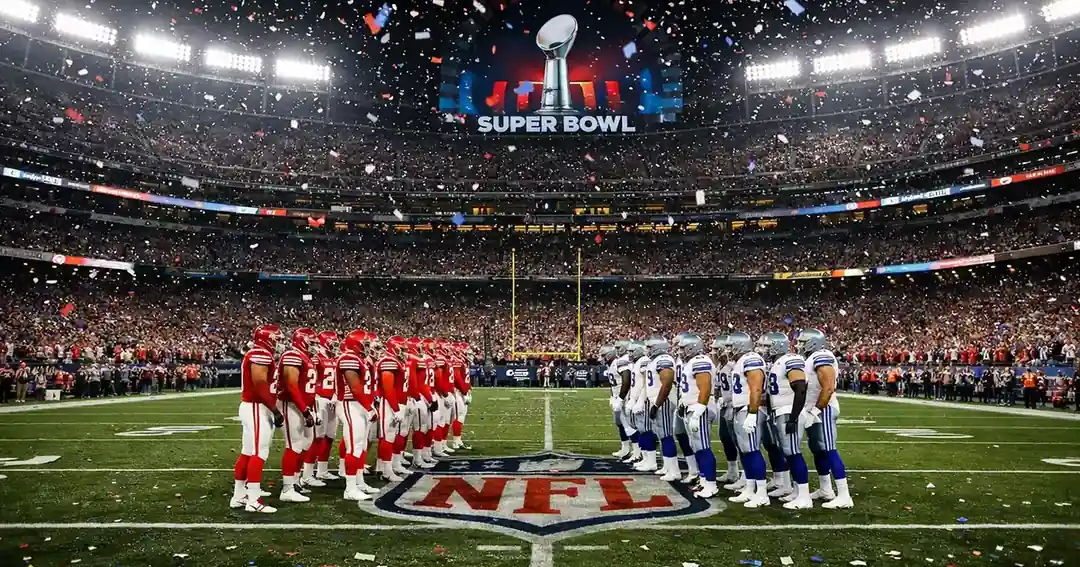
Same game parlays have revolutionized NFL betting in ways that traditional wagers never could. The ability to combine multiple bets from a single game into one ticket creates opportunities for bettors to construct narratives around how they expect a game to unfold. Rather than making isolated predictions about spreads or totals, you can now weave together player props, game outcomes, and scoring events into cohesive betting positions that reflect your complete vision for a matchup.
The appeal is obvious. A standard parlay requires you to correctly predict outcomes across multiple games, introducing the variance of unrelated events into your ticket. Same game parlays concentrate your analysis on a single contest, allowing deeper research to translate into better predictions. If you have spent hours studying a particular matchup, you can leverage that knowledge across multiple correlated outcomes rather than spreading your attention across the entire NFL slate.
Sportsbooks initially resisted same game parlays because the correlated nature of outcomes within a single game complicates their pricing models. Traditional parlays multiply independent odds together, but when one outcome affects the probability of another, that multiplication overstates the combined difficulty. Modern pricing algorithms have largely solved this challenge, and same game parlays now generate significant revenue for operators who have learned to price correlation appropriately.
This guide explains how same game parlays work mechanically, walks through the process of building effective SGPs, identifies popular leg combinations, and provides strategic frameworks for approaching this betting format. Whether you are new to same game parlays or looking to refine your existing approach, understanding the underlying dynamics improves your chances of building winning tickets.

Same Game Parlay Mechanics: Building Profitable SGPs
Same game parlays allow you to combine multiple selections from within a single NFL game into one bet. All legs must win for the parlay to pay out, just like a traditional multi-game parlay. The difference lies in how sportsbooks calculate the odds and what combinations they permit.
Correlated outcomes sit at the heart of SGP mechanics. When you bet on a team to win and their quarterback to throw for over 275 yards, those outcomes are not independent. A winning team often accumulates more passing yards than a losing one, particularly if the game script favors their offensive approach. Sportsbooks must account for this correlation when pricing your parlay, which means the combined odds are typically lower than if you simply multiplied the individual odds together.
The correlation adjustment varies based on how strongly your selected outcomes relate to each other. Strongly correlated legs receive larger adjustments than weakly correlated ones. Betting on a running back to score a touchdown and betting on his team to win correlates more strongly than betting on that touchdown and a specific defensive player to record a sack. The algorithms underlying SGP pricing attempt to quantify these relationships and adjust payouts accordingly.
Not all combinations are permitted within same game parlays. Sportsbooks restrict certain leg pairings that would create guaranteed outcomes or extreme correlation. You typically cannot parlay a player to score a touchdown with the same player to score the first touchdown, since one outcome necessarily implies the other. These restrictions vary by sportsbook, and understanding what each book allows helps you construct the parlays you want.
The minimum and maximum number of legs also varies by operator. Most sportsbooks require at least two selections for an SGP and cap the total somewhere between eight and twelve legs. The more legs you add, the higher the potential payout but the lower the probability of winning. Finding the right balance between ticket size and win probability represents one of the core strategic decisions in SGP betting.
Pricing transparency in same game parlays has improved but remains imperfect. Unlike straight bets where you can easily compare odds across books, SGP pricing depends on proprietary correlation models that differ between operators. The same four-leg parlay might pay +450 at one sportsbook and +380 at another, reflecting different assessments of how the outcomes relate. Shopping SGP prices takes more effort than shopping straight bet lines but can meaningfully improve your expected returns.
Live same game parlays add another dimension to this market. Some sportsbooks now allow you to build SGPs during games, incorporating updated odds that reflect current score and game situation. These live markets move quickly and require fast decision-making, but they create opportunities to leverage in-game observations that pregame analysis could not anticipate.
Cash-out options on same game parlays have become standard at major sportsbooks. If some of your legs have already won and others remain pending, you can often lock in partial profit rather than sweating out the remaining outcomes. The cash-out amount reflects the current probability of your remaining legs hitting, discounted by the sportsbook’s margin. Deciding when to cash out versus let your ticket ride involves balancing risk tolerance against expected value.
Building Your NFL Same Game Parlay
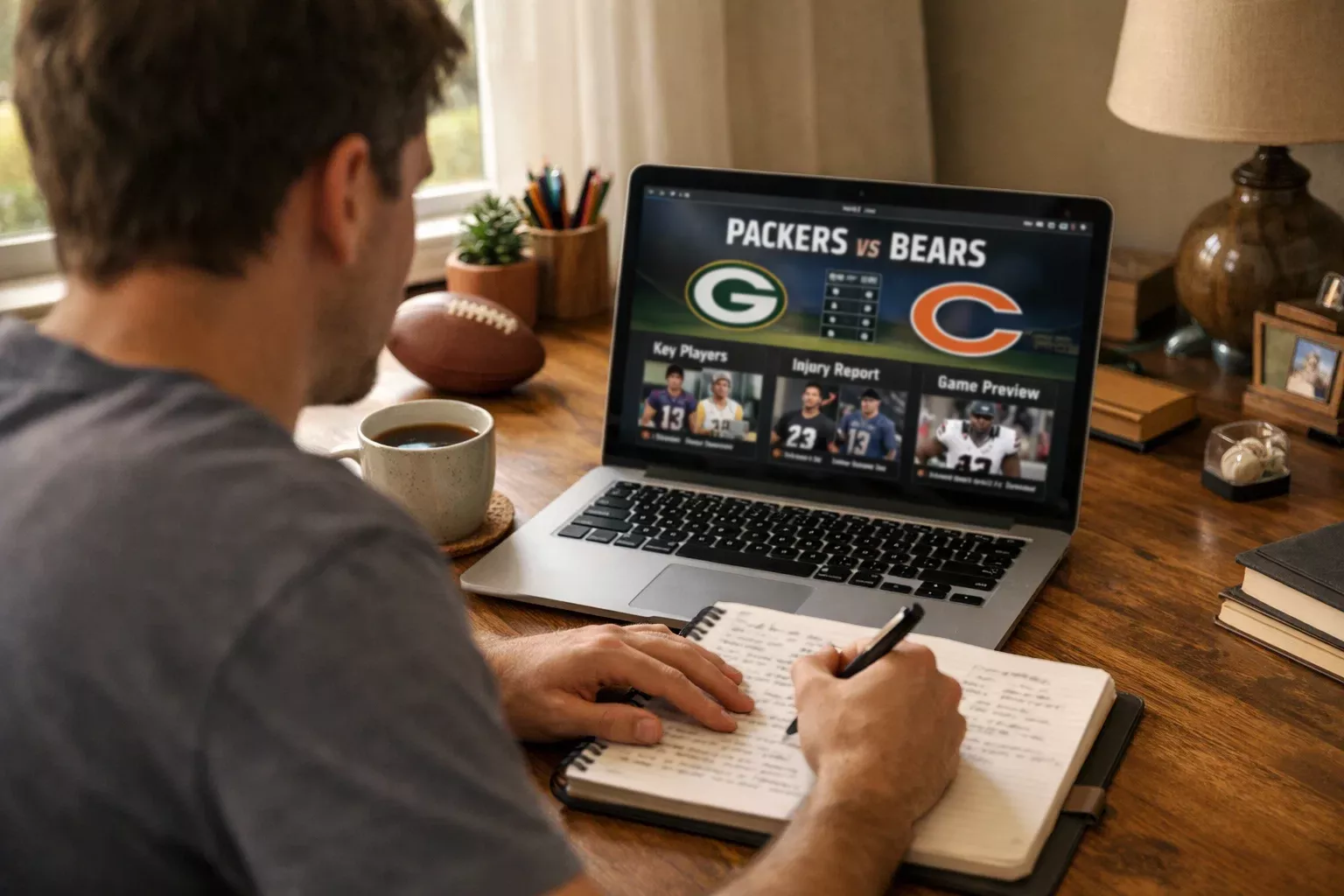
Constructing an effective same game parlay starts with a thesis about how the game will unfold. Random leg selection produces random results. The bettors who profit consistently from SGPs approach each parlay with a coherent narrative that ties their selections together logically.
Begin by analyzing the matchup from a macro perspective. Consider the projected game total, the point spread, and what those numbers imply about scoring pace and competitive balance. A game with a total of 52 and a spread of 3 suggests a high-scoring, closely contested affair. A game totaling 38 with a 10-point spread implies a defensive struggle dominated by one team. Your parlay legs should align with these broader expectations rather than contradicting them.
Once you have established your game thesis, identify the specific outcomes that would follow if your thesis proves correct. If you expect a shootout, player passing yards overs and multiple touchdown scorers make sense. If you anticipate a grinding defensive game, unders on volume stats and careful selection of scoring props align with your view. Each leg should reinforce the others rather than requiring unrelated events to coincide.
The step-by-step process for building an SGP typically follows this pattern. First, decide on your primary position, usually a game outcome like spread or total. Second, select player props that logically correlate with that outcome. Third, add touchdown or scoring props that fit your game flow projection. Fourth, review the combined odds and assess whether the payout justifies the combined probability you estimate for your selections.
Choosing complementary legs requires understanding correlation direction. Positive correlation means outcomes tend to occur together: a team winning and their running back rushing for many yards, for instance. Negative correlation means one outcome makes another less likely: a blowout win by Team A and high passing yards for Team B’s quarterback. Building parlays with positively correlated legs increases your chance of either winning every leg or losing multiple legs, while mixing correlation directions creates more independent variance.
The number of legs dramatically affects your probability profile. A two-leg SGP might have a 25% chance of hitting, while a six-leg parlay on the same game might drop below 5%. The payouts scale accordingly, but not linearly with the difficulty. Sportsbooks maintain their margin across all parlay sizes, so larger parlays are not inherently better or worse value than smaller ones. Choose your leg count based on how many confident positions you can identify, not based on chasing higher multipliers.
Odds shopping for SGPs presents unique challenges. Because each book uses different correlation models, you cannot simply compare individual leg prices. The same parlay built at two different sportsbooks will have different combined payouts even if the individual line prices appear similar. Building your intended parlay at multiple books before placing it reveals which operator offers the best value for your specific combination.
Popular SGP Combinations
Certain SGP structures have emerged as favorites among experienced bettors because they balance logical correlation with attractive payouts. Understanding these templates provides a foundation for building your own customized parlays.
Spread plus player props represents the most common SGP framework. You select a team to cover the spread and add player props from that team’s key performers. If the Cowboys are favored by 4 and you expect them to cover, combining that spread with Dak Prescott passing yards over and CeeDee Lamb receiving yards over creates a positively correlated ticket. All three outcomes become more likely if Dallas controls the game offensively.
The reverse correlation approach works when you expect a team to lose but their star player to perform well anyway. A losing team’s quarterback often accumulates passing yards while trailing, so combining a team underdog position with their quarterback passing yards over exploits this dynamic. The team loses, but the garbage time passing volume pushes the yardage total higher than it might reach in a competitive game.
Totals plus touchdown scorers builds on game pace projections. If you expect a high-scoring affair, combining the game total over with anytime touchdown scorers from both teams reflects that expectation. More total points mean more touchdowns scored, and your selected players benefit from the increased scoring volume. Selecting one or two touchdown scorers per team creates a parlay where overall game flow drives multiple legs simultaneously.
Multi-player props from the same offense create correlated tickets based on offensive success. When an offense performs well, multiple players typically exceed their individual benchmarks. Pairing a quarterback passing yards over with receiving yards overs for two of his pass catchers ties your parlay to overall offensive execution. If the passing game clicks, all three players benefit. If it struggles, all three likely fall short.
Stacking player props from opposing offenses reduces correlation compared to same-team stacks. You might combine a quarterback over from one team with a running back over from the other, betting that both offenses will move the ball effectively. This structure requires more independent events to align but can produce attractive odds because the correlation discount is smaller.
First half props combined with full game outcomes create interesting time-based correlations. If you expect a team to start strong and build an early lead, combining their first half spread with full game player props captures that narrative. The early lead creates the game script that drives second half usage patterns for your selected players.
Touchdown scorer plus game result parlays connect individual scoring with team success. A running back scoring a touchdown and his team winning are positively correlated, particularly for backs with goal-line roles on good offenses. The correlation discount reduces your payout compared to uncorrelated legs, but the increased probability of both outcomes hitting compensates for the lower odds.
Defensive props in SGPs remain underutilized by recreational bettors. Combining a team’s defensive success with their offensive output creates logical parlays based on complementary football. If a defense dominates, it often creates short fields and additional possessions for the offense. A sack total over combined with offensive player props reflects this dynamic, though the correlation is less direct than purely offensive combinations.
SGP Strategy Tips
Successful same game parlay betting requires adapting traditional handicapping principles to the unique dynamics of correlated outcomes. The strategies that work for straight bets do not translate directly to SGPs, and developing a specific approach for this format improves your results.
Game script analysis provides the foundation for effective SGP construction. Before selecting any legs, map out how you expect the game to flow from kickoff through the final whistle. Will one team jump to an early lead? Will the game remain competitive throughout? Will pace favor passing or rushing? These projections shape which player props make sense and how outcomes will relate to each other as the game progresses.
The logical correlation approach means selecting legs that make sense together rather than combining unrelated positions. If you believe a game will be a defensive struggle, do not add a receiver yards over simply because you like that player. Every leg should fit your overall game thesis. Inconsistent parlays fail more often because they require contradictory events to occur simultaneously.
Managing leg count directly affects your long-term profitability. The temptation to add legs for higher payouts leads many bettors into negative expected value territory. Each additional leg multiplies your risk, and the marginal confidence on your fifth or sixth selection rarely justifies the reduced win probability. Disciplined bettors often find that three or four well-chosen legs outperform larger parlays over time.
Player role understanding separates profitable SGP bettors from recreational players. Knowing that a running back gets goal-line carries while another handles third-down passing situations allows you to target the right props for each player. Surface-level analysis treats all players at a position similarly, but role specificity creates betting edges that broader statistics miss.
Weather and venue factors compound across parlay legs. A windy outdoor game affects passing yards, completion percentages, field goal success, and potentially game total. If your SGP includes multiple passing-related legs, that weather impact multiplies rather than averaging out. Checking conditions before building outdoor game parlays prevents constructing tickets that fight environmental headwinds.
Timing your SGP placement involves strategic considerations. Lines move as game day approaches, and some legs might become more or less attractive as information emerges. Early in the week, player props may not account for injury news or practice reports. Closer to kickoff, sharp money has moved lines toward efficient prices. Finding the right balance between early value and late information depends on your specific selections.
Value assessment in SGPs proves more difficult than for straight bets because you cannot easily decompose the combined odds into component probabilities. However, you can estimate whether a parlay offers value by comparing your assessed probability for the combined outcome against the implied probability of the offered odds. If you believe your four-leg parlay has a 15% chance of hitting and the odds imply only 10%, you have found positive expected value.

SGP Mistakes to Avoid
Same game parlay betting attracts many recreational bettors who make predictable errors that erode their bankrolls. Recognizing these common mistakes helps you avoid them and bet more strategically.
Adding legs purely for bigger payouts represents the most destructive SGP habit. The psychology of watching potential winnings climb as you add selections creates powerful temptation, but each additional leg reduces your probability of winning. A six-leg parlay paying +2000 sounds exciting until you realize you will lose approximately nineteen out of twenty such bets. Chasing multipliers rather than building coherent tickets leads to consistent losses.
Ignoring correlation when selecting legs wastes the primary advantage of same game parlays. If your selections are essentially independent, you might as well bet them separately or in a traditional parlay. The value of SGPs comes from identifying outcomes that move together. Randomly combining legs from the same game without considering how they relate produces worse results than thoughtful construction.
Overvaluing favorite players leads bettors to force selections that do not fit their game thesis. You might love a particular receiver, but if your game analysis suggests a defensive struggle, including his receiving yards over contradicts your own expectations. Emotional attachment to players should not override analytical discipline in parlay construction.
Neglecting to shop odds across sportsbooks costs bettors money on virtually every SGP. The differences in correlation modeling between books create price disparities larger than you typically see on straight bets. Taking the first price you see rather than comparing across operators leaves value on the table that accumulates significantly over a season of betting.
Building contradictory parlays happens more often than you might expect. Combining a team to win by a large margin with their opponent’s quarterback passing yards over creates internal tension. Blowouts typically feature reduced passing volume from the losing team as game script shifts toward running out the clock. Reviewing your parlay for logical consistency before placing it catches these errors.
Failing to account for variance leads to poor bankroll management. Same game parlays carry higher variance than straight bets by design. Sizing your SGP bets similarly to your straight bet unit sizes exposes your bankroll to excessive risk. Adjusting bet size downward for parlays reflects their higher volatility and protects you during inevitable losing stretches.
Chasing losses with larger or longer-shot parlays compounds problems rather than solving them. After a bad day of SGP results, the temptation to recover with a high-payout ticket leads to increasingly poor decisions. Maintaining consistent bet sizing and selection discipline through both winning and losing periods produces better long-term outcomes than reactive betting.
Best Sportsbooks for NFL Same Game Parlays
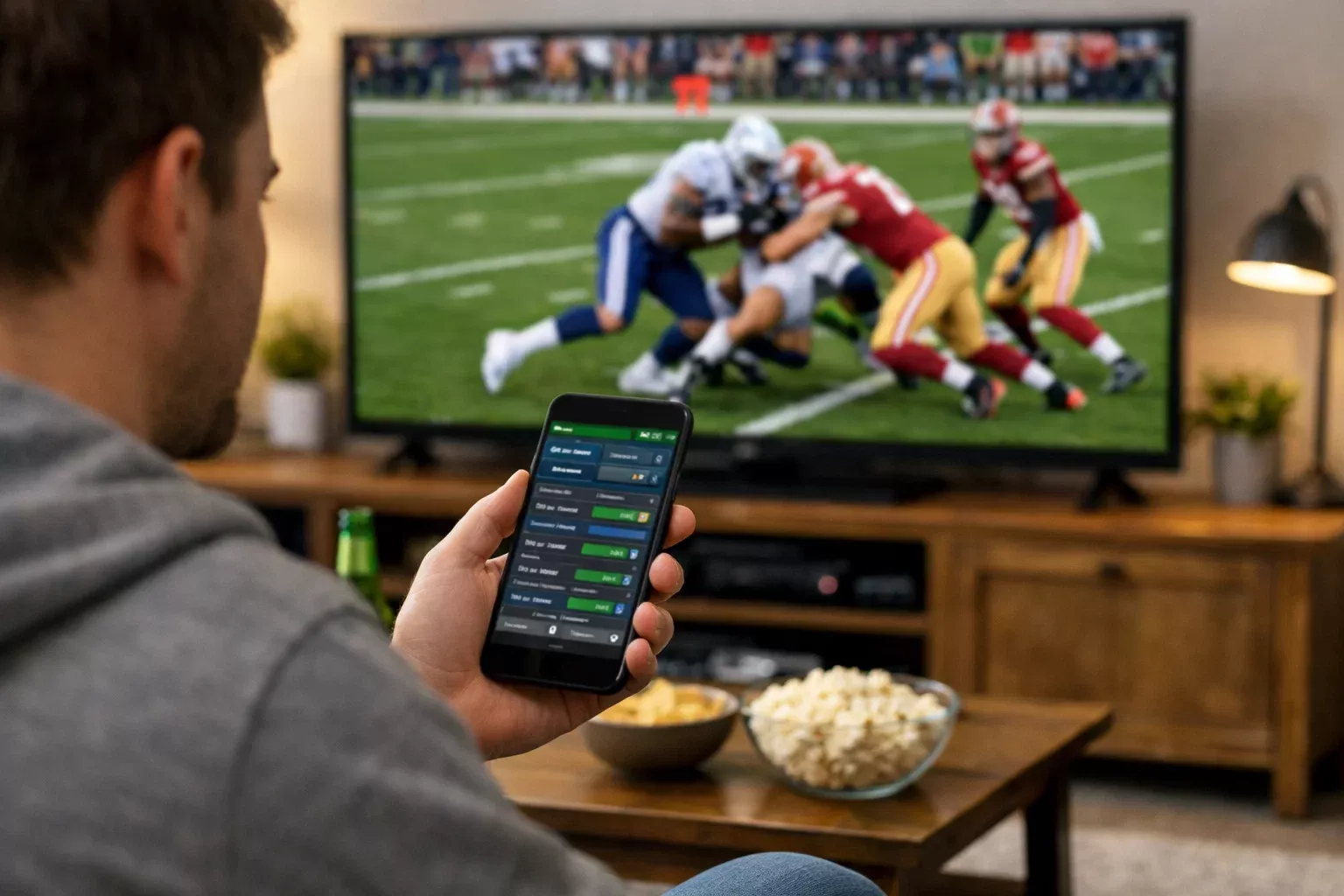
The sportsbook you choose for same game parlays significantly impacts both your betting experience and your potential returns. Different operators excel in different aspects of the SGP market.
DraftKings has built a reputation for extensive SGP options and competitive pricing. Their correlation models tend to offer reasonable payouts across most leg combinations, and the platform supports complex parlays with many available markets. The interface makes building SGPs intuitive, which matters when you are combining multiple selections quickly.
FanDuel offers strong SGP functionality with frequent promotional boosts on specific parlay types. Their same game parlay insurance promotions, which refund losing SGPs under certain conditions, can add meaningful expected value when structured favorably. The app experience is clean and the odds generally competitive with industry standards.
BetMGM, Caesars, and other major operators each bring slightly different strengths to the SGP market. Comparing the same parlay across multiple books before placing your bet remains the best practice regardless of which platforms you use regularly. The time investment in shopping pays dividends through better prices on your winning tickets.
Newer sportsbooks sometimes offer aggressive SGP pricing to attract customers. These promotional periods can create temporary value, though the sustainability of such pricing varies. Maintaining accounts at multiple books positions you to capitalize on these opportunities when they arise.
To ensure long-term profitability when combining multiple legs, you must apply profitable NFL prop betting strategies and strict bankroll management.
Discover the best odds and exclusive sportsbook offers directly on the ultimate NFL betting resource.
Conclusion
Same game parlays have earned their place as a staple of NFL betting by allowing bettors to express nuanced game predictions through correlated outcomes. Success in this format comes from building coherent tickets based on clear game theses, understanding how selected outcomes relate to each other, and avoiding the common mistakes that drain recreational bankrolls. The format rewards football knowledge and analytical thinking while providing the excitement of potentially substantial payouts from a single game.
Written by the editors at nfl Prop Bets.